The Lingering Presence
Solo Exhibition (One-room Installation)
at tranzit.hu
April, 2025
Budapest
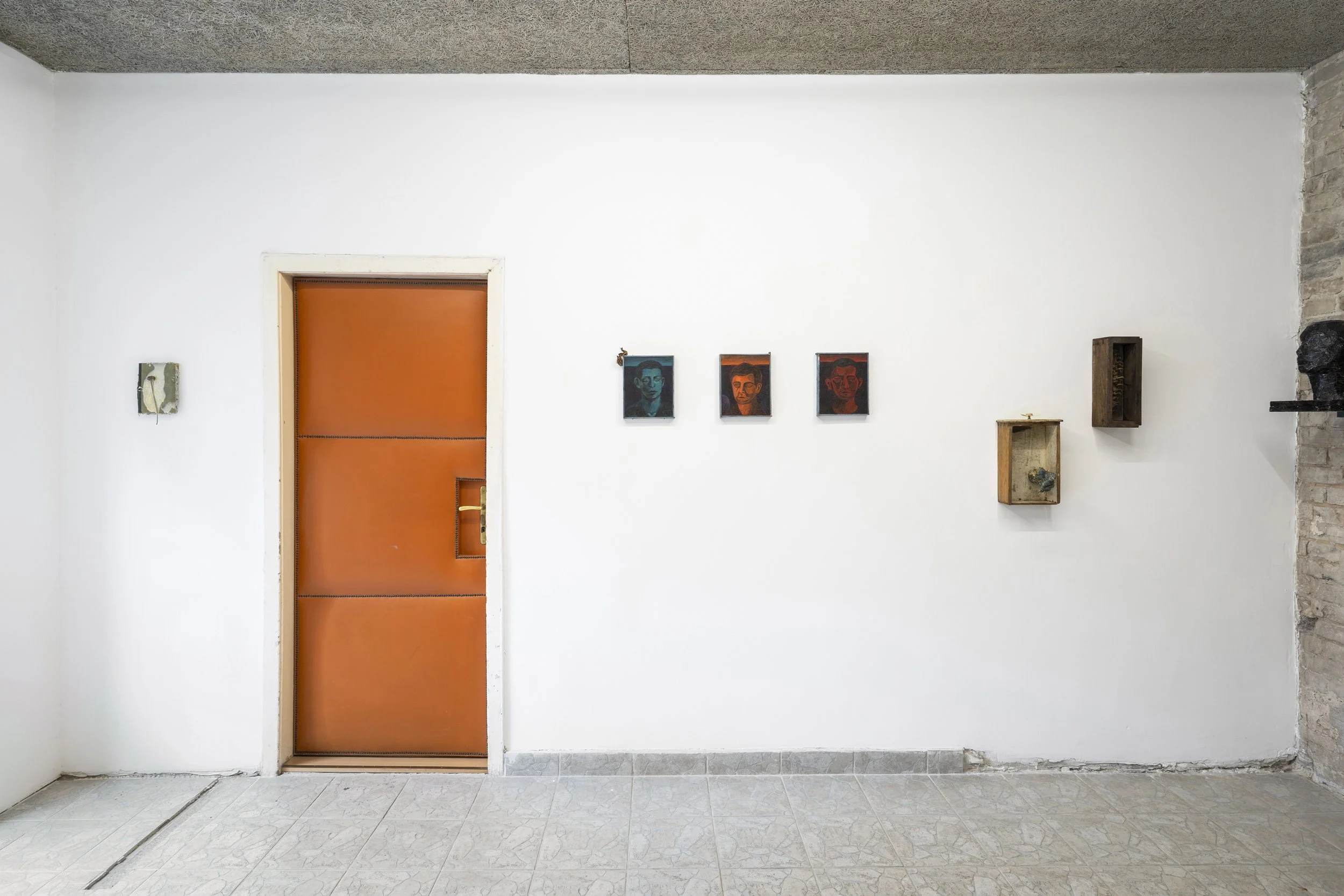
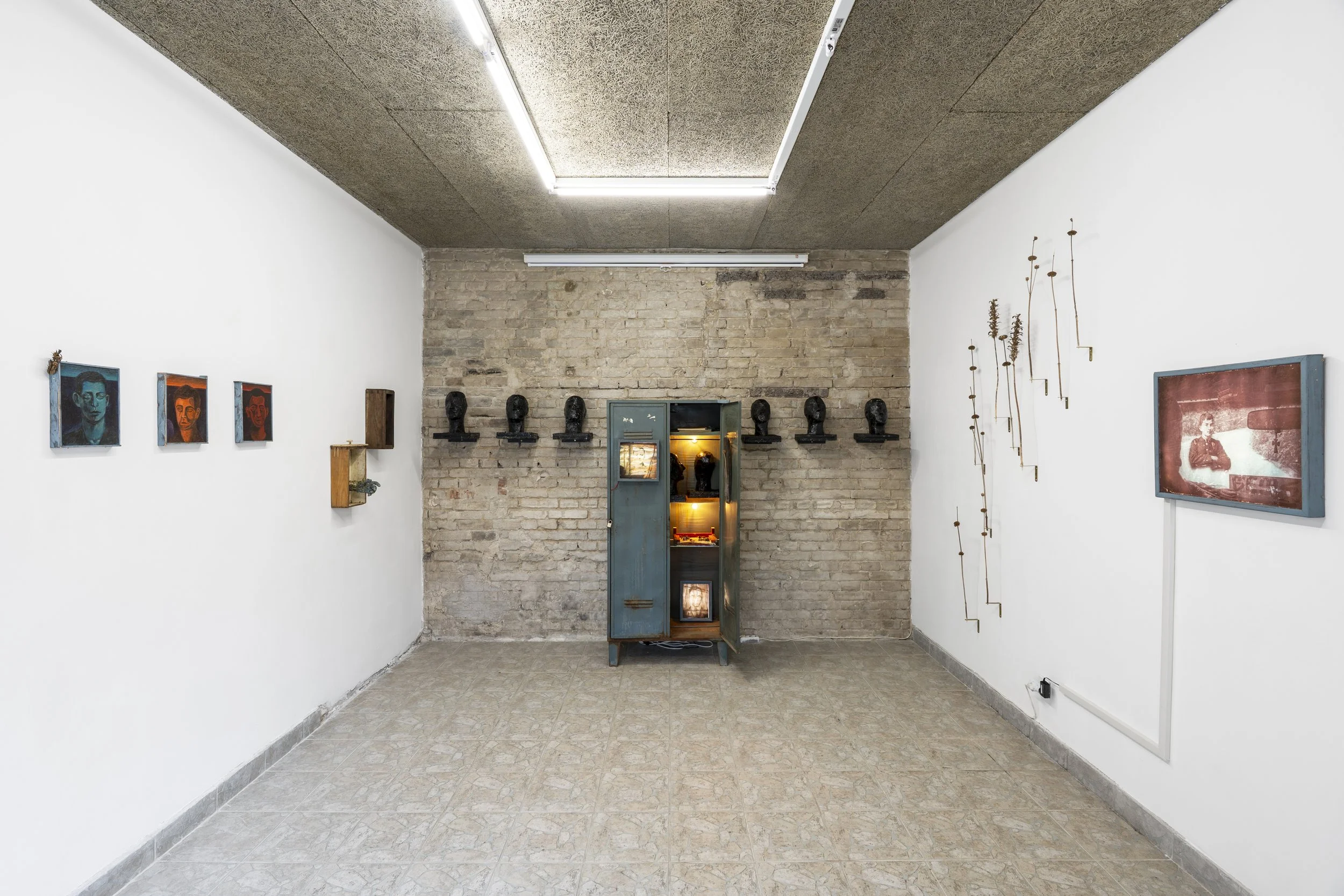
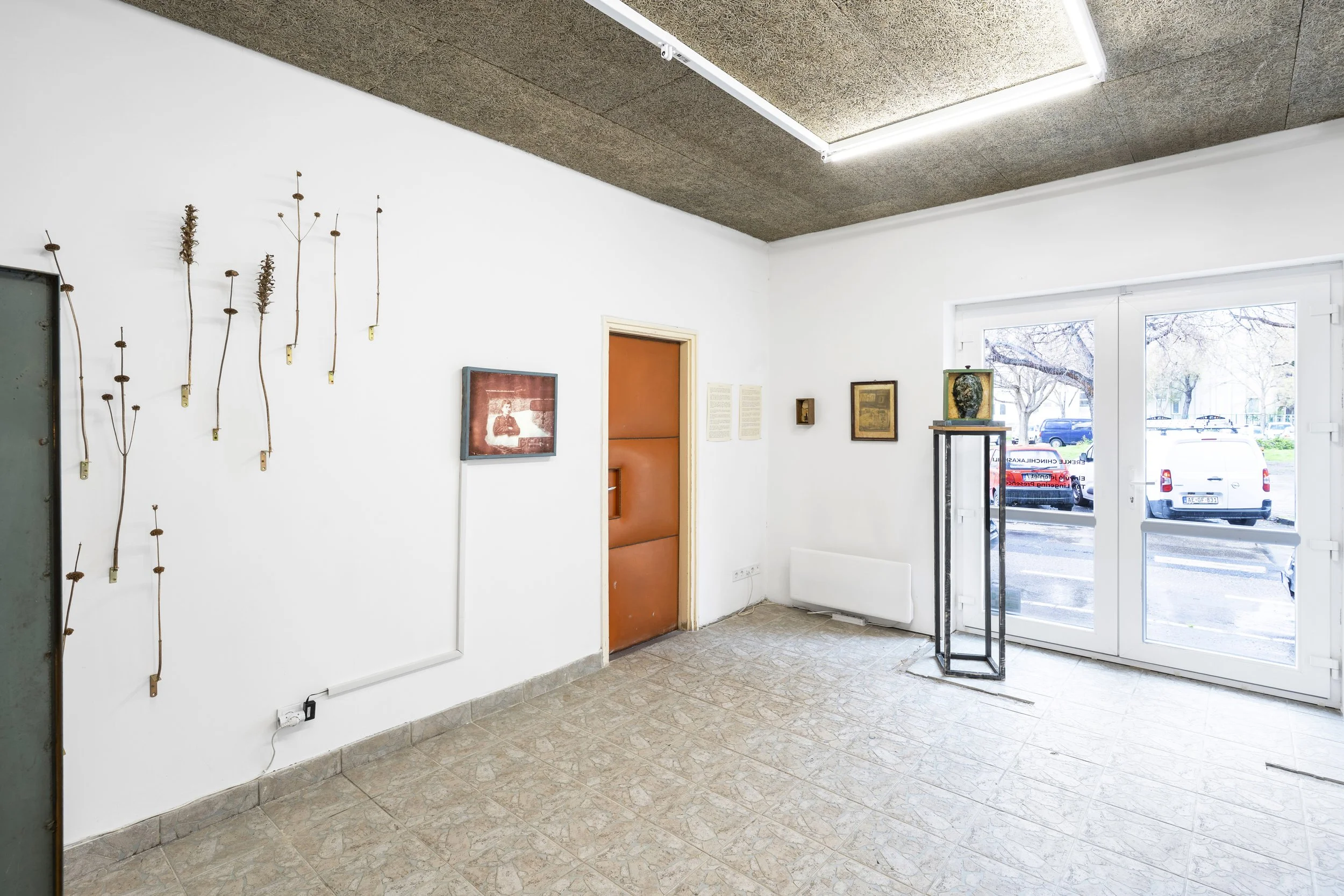
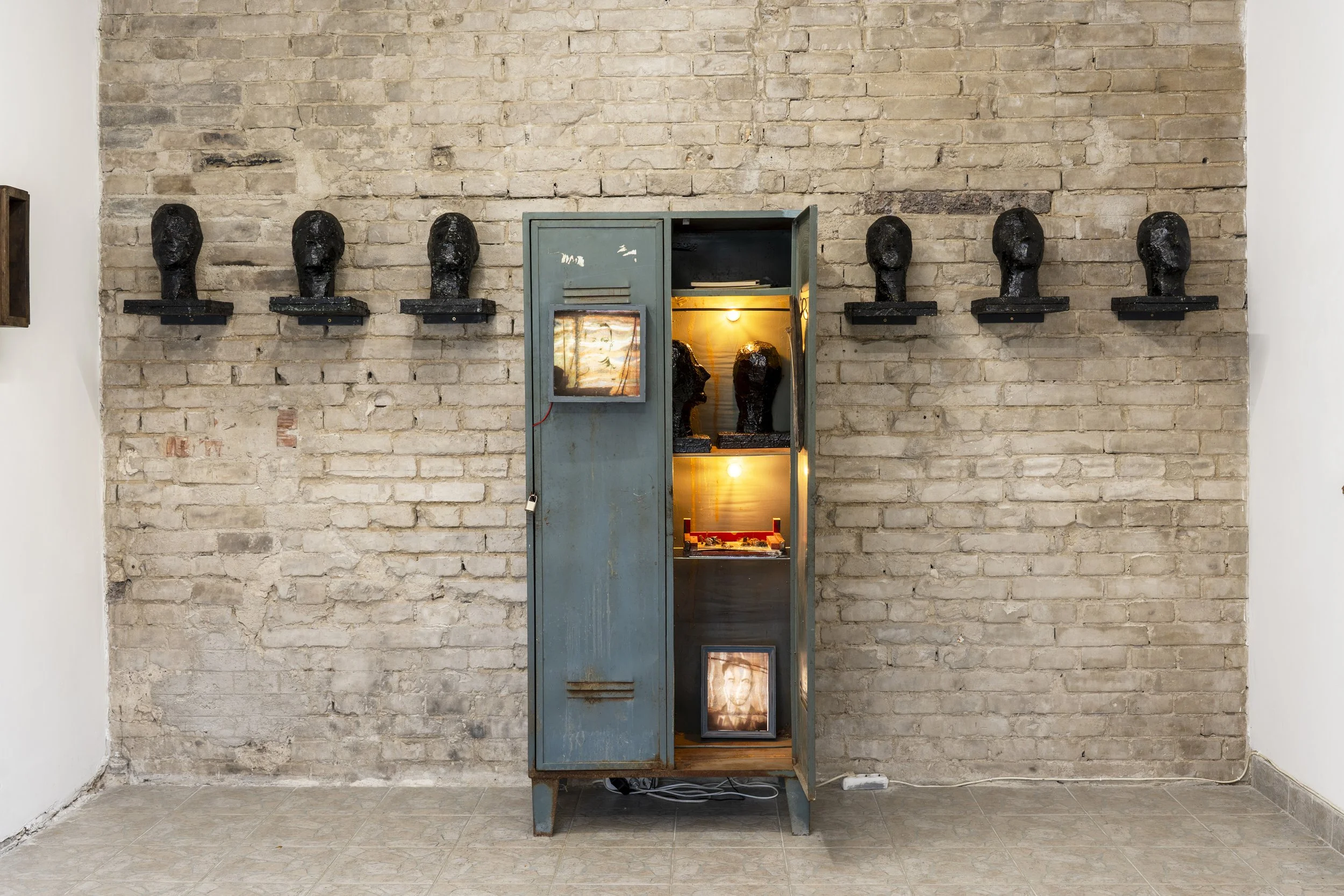
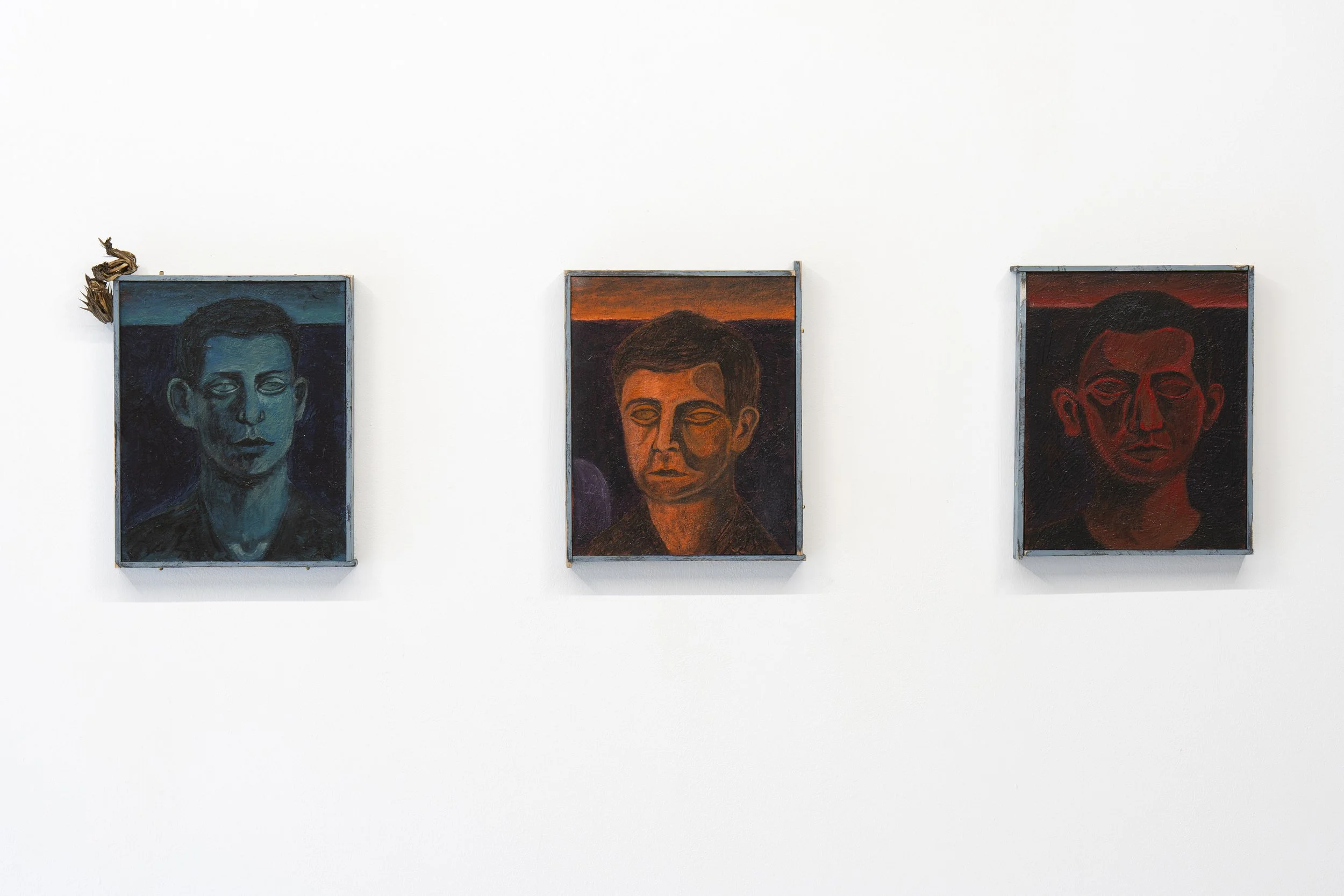
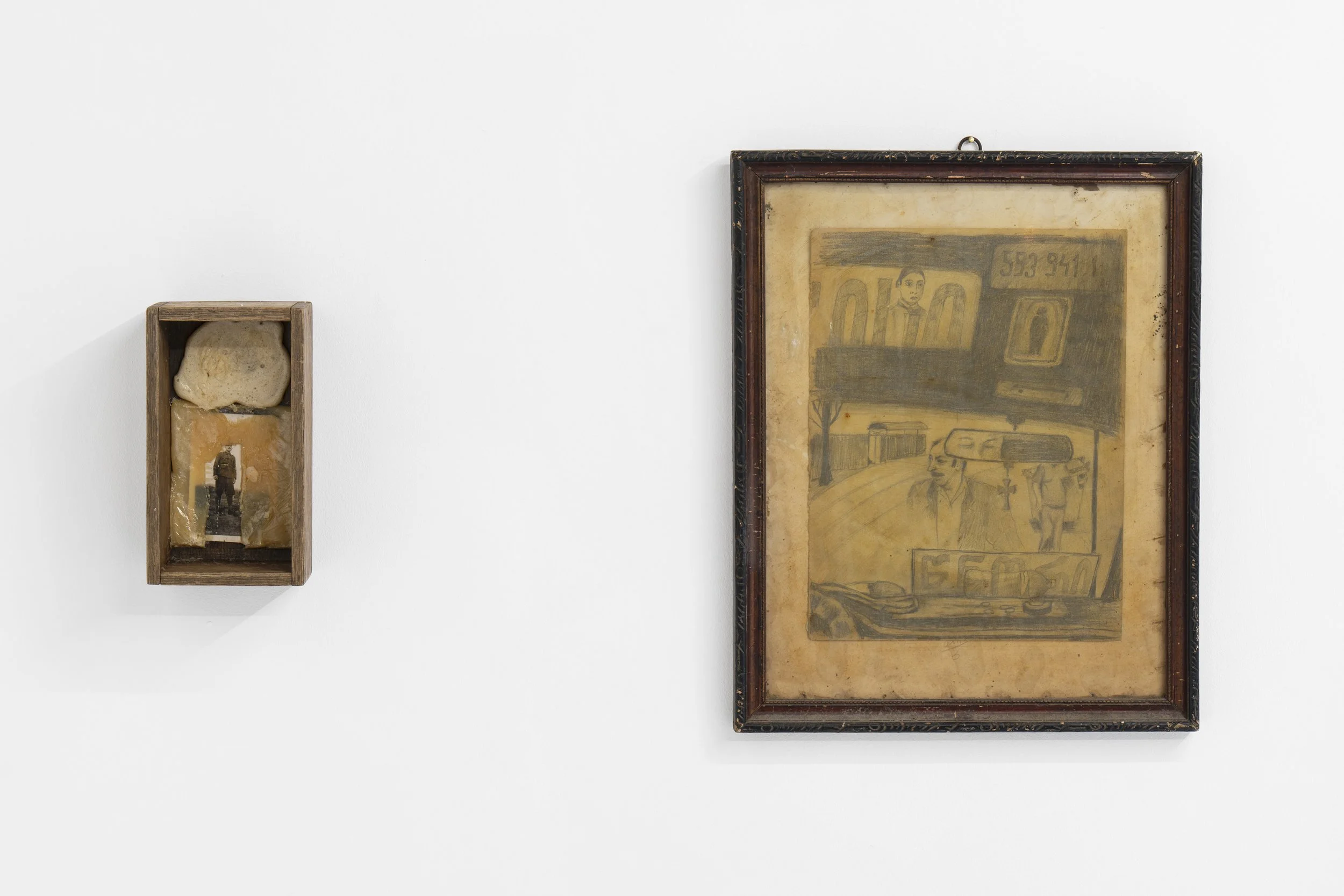
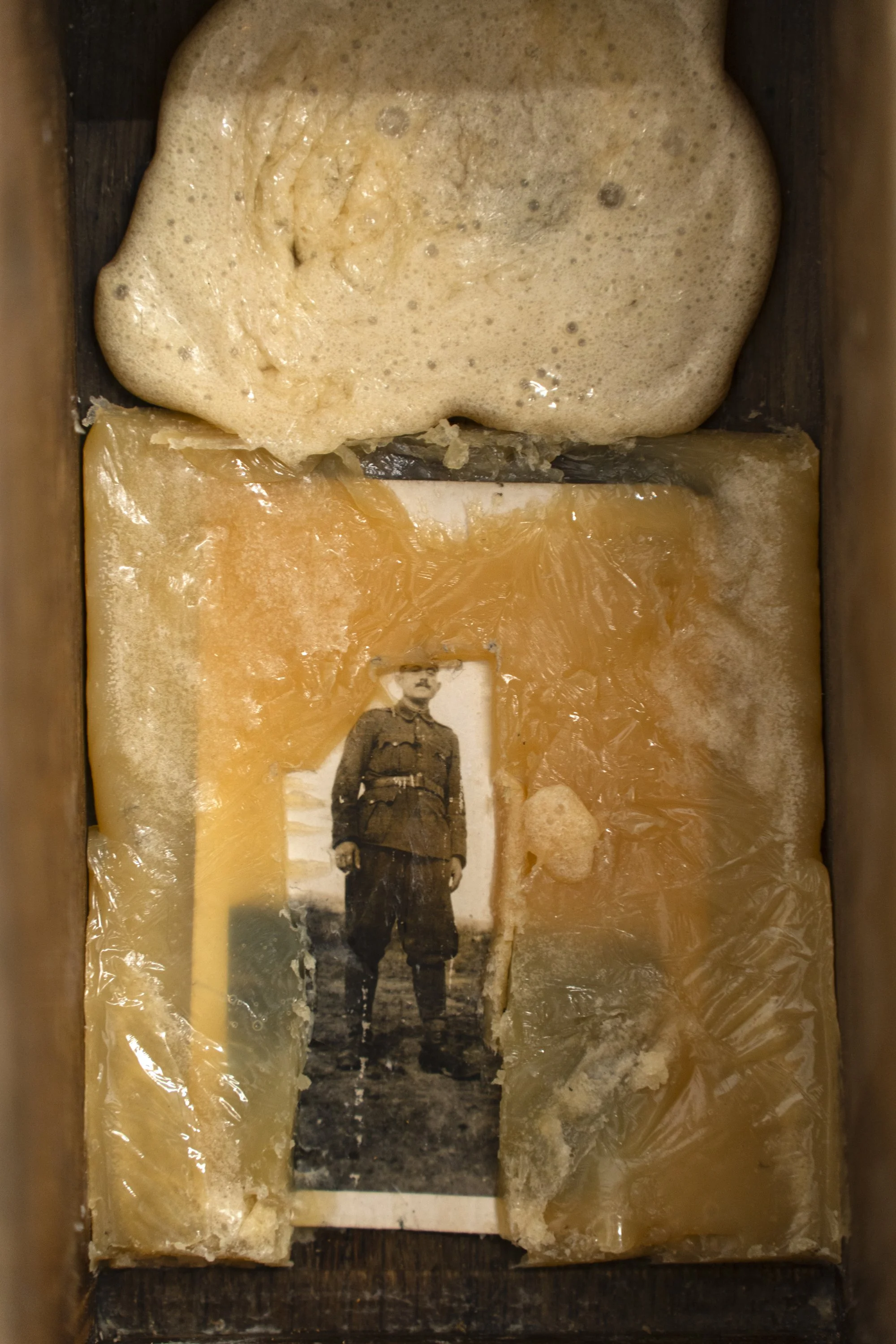
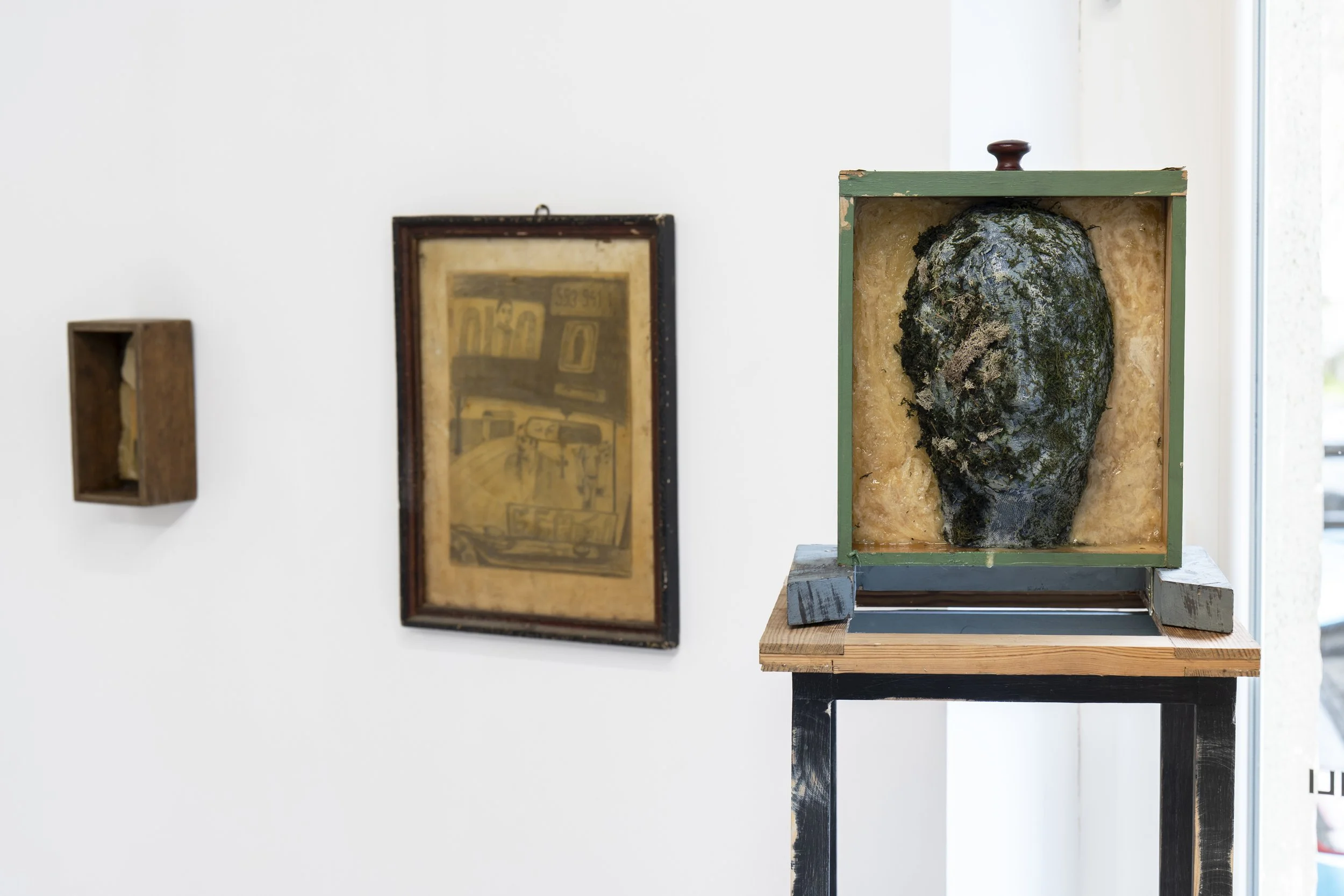
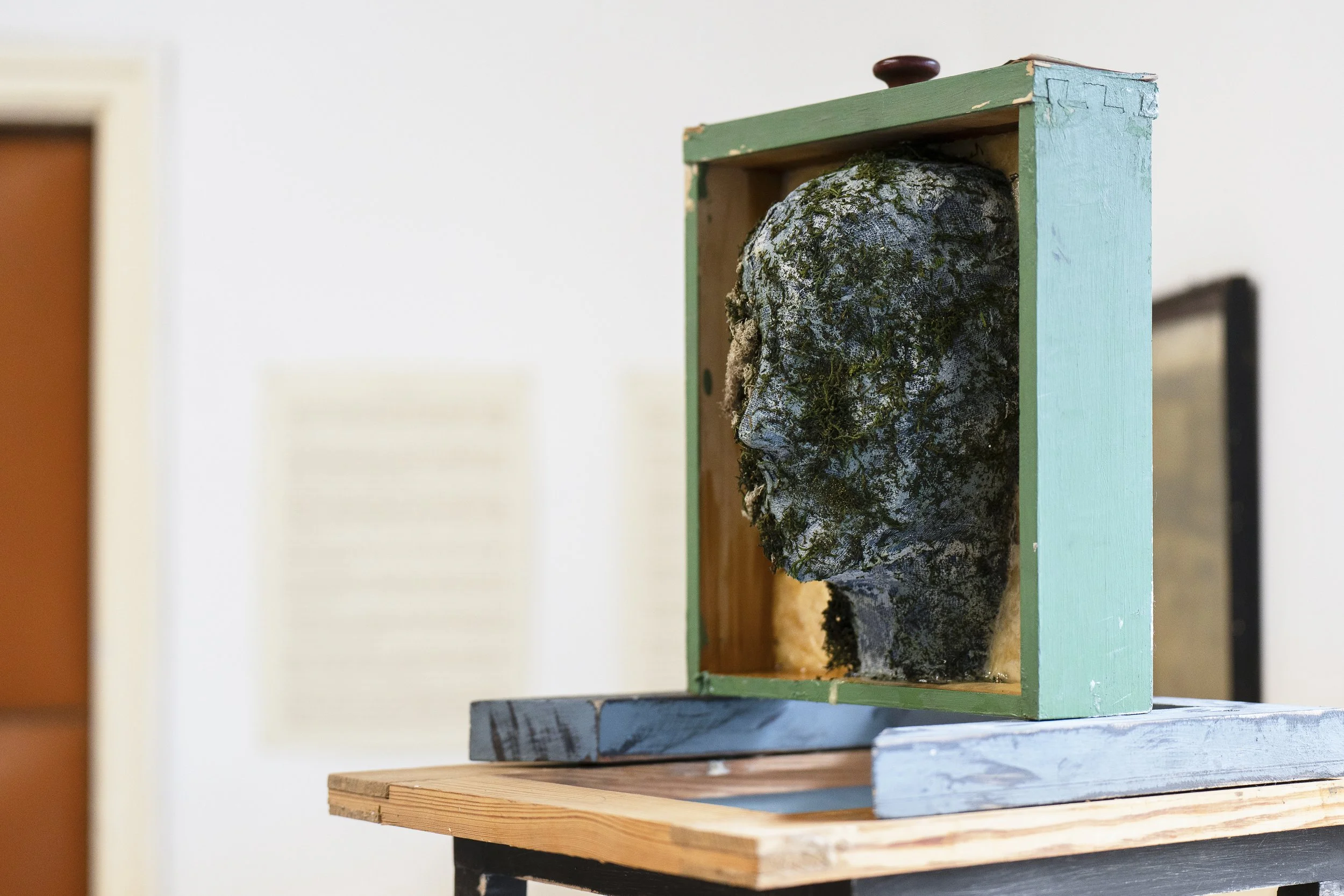
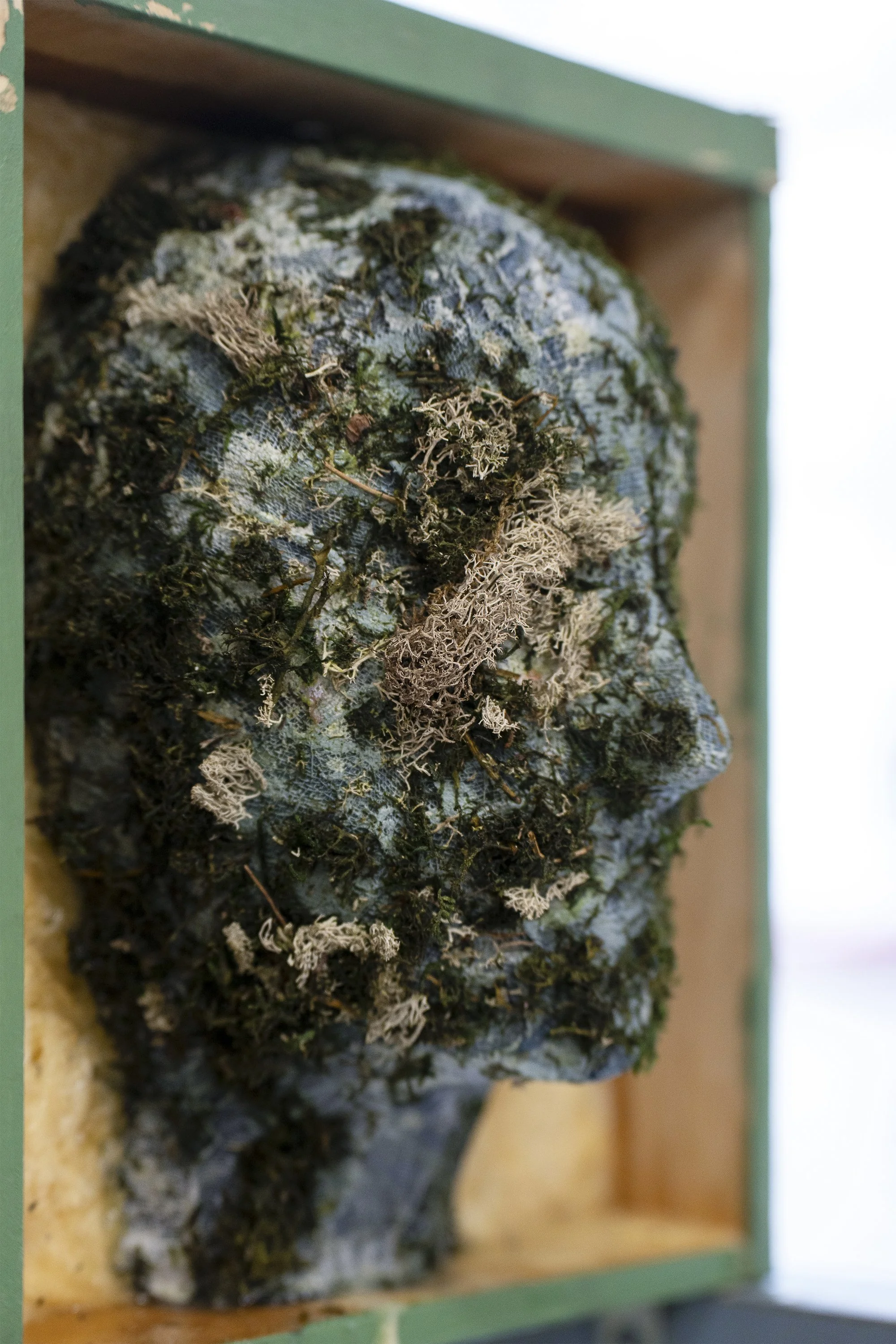
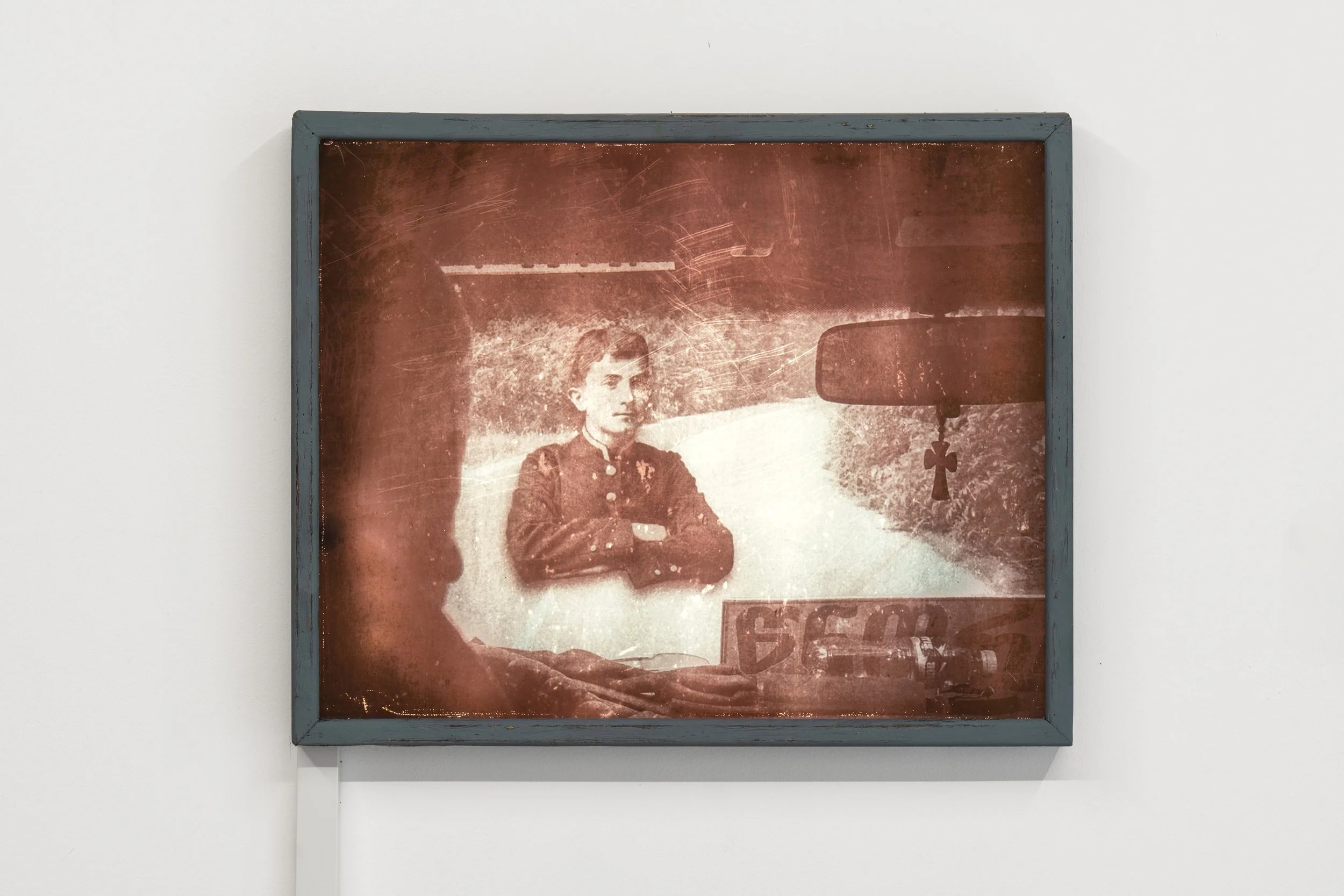
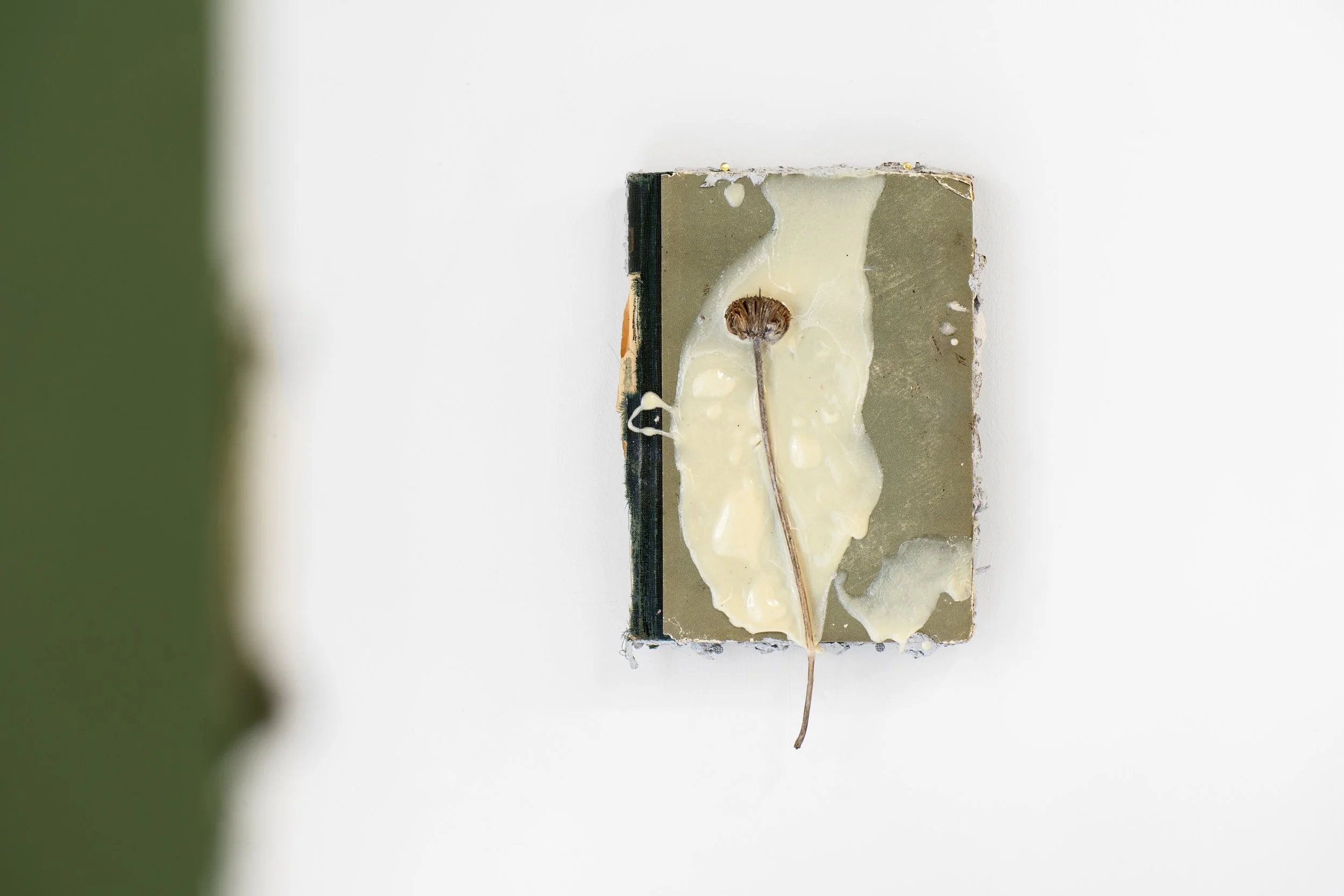
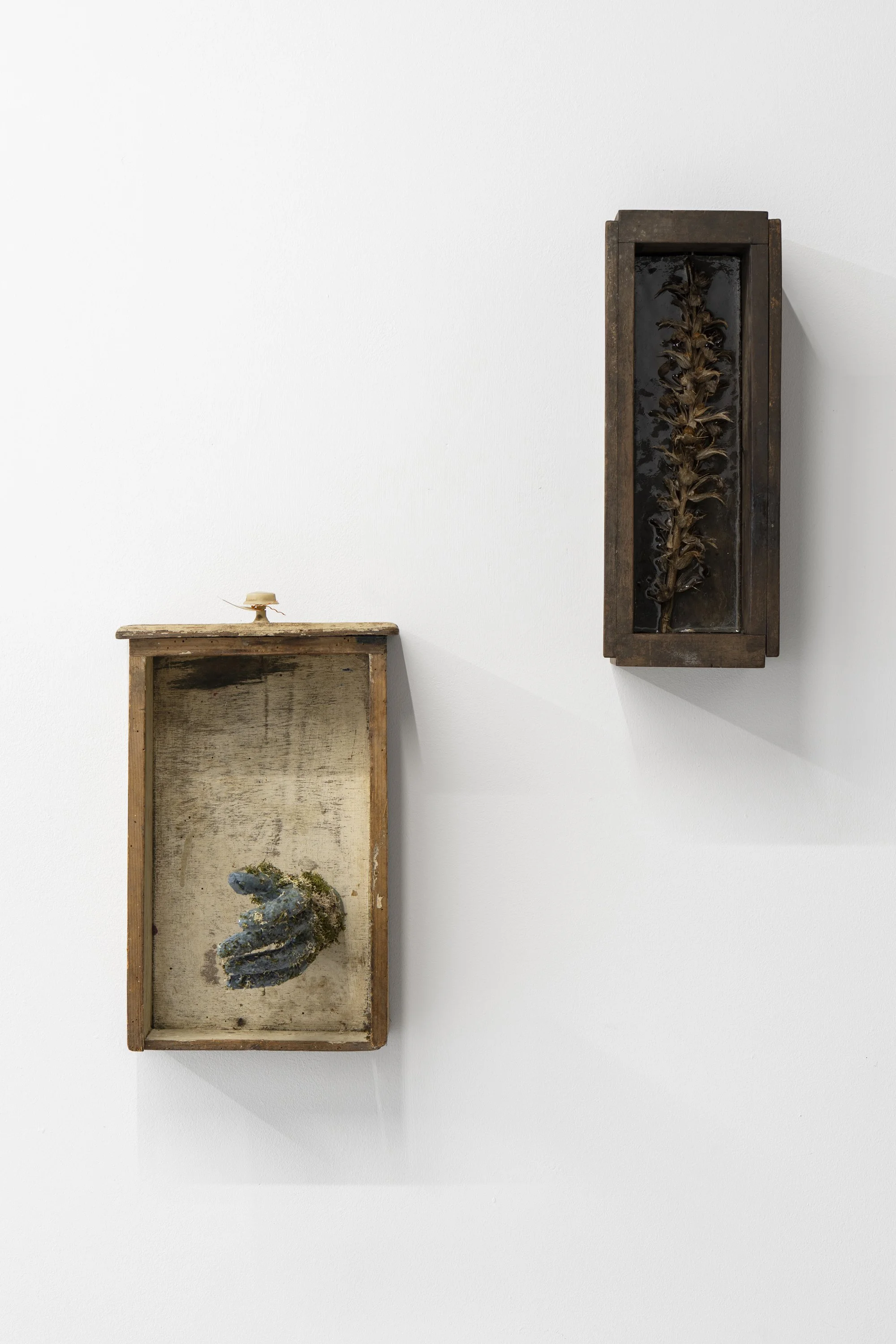
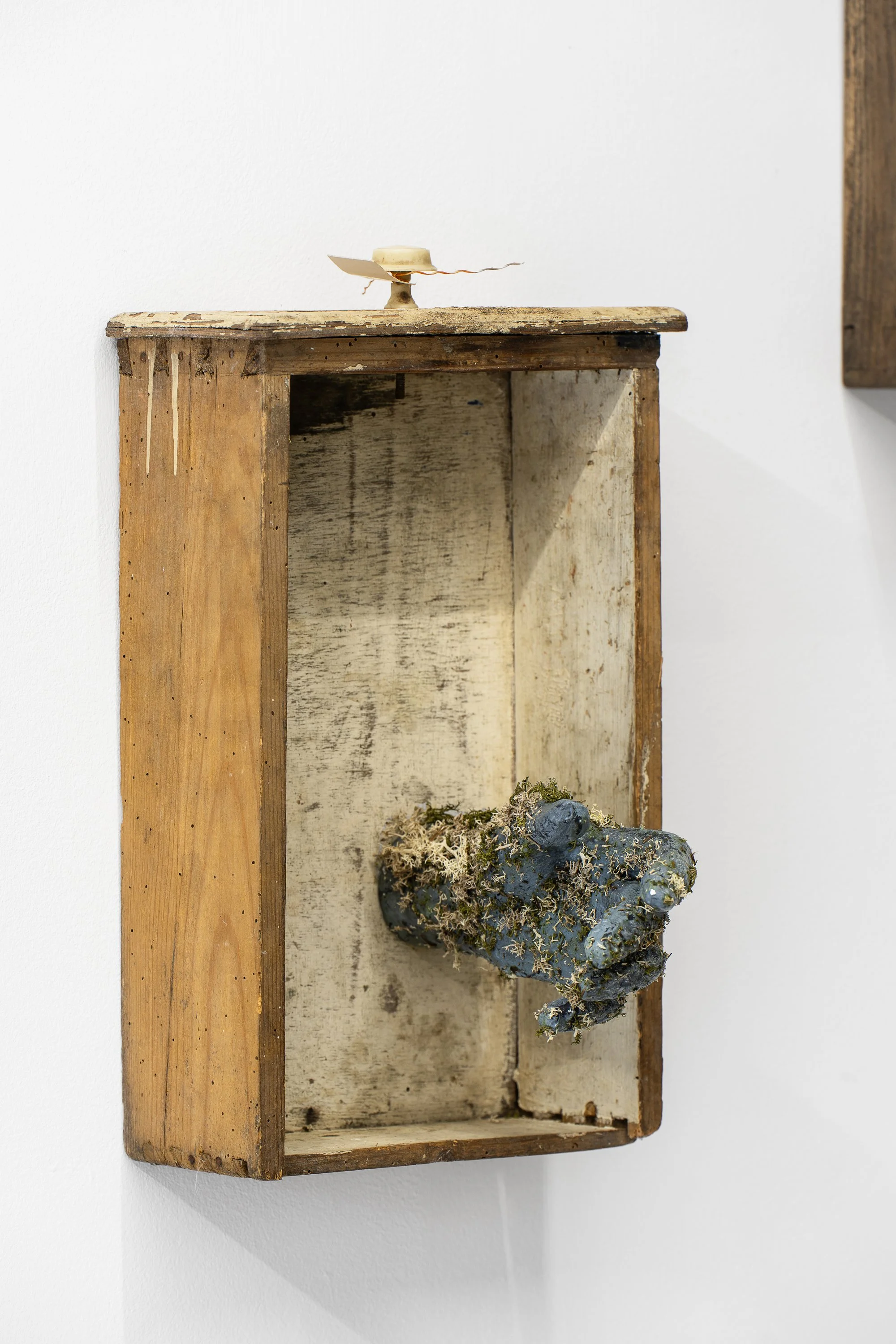
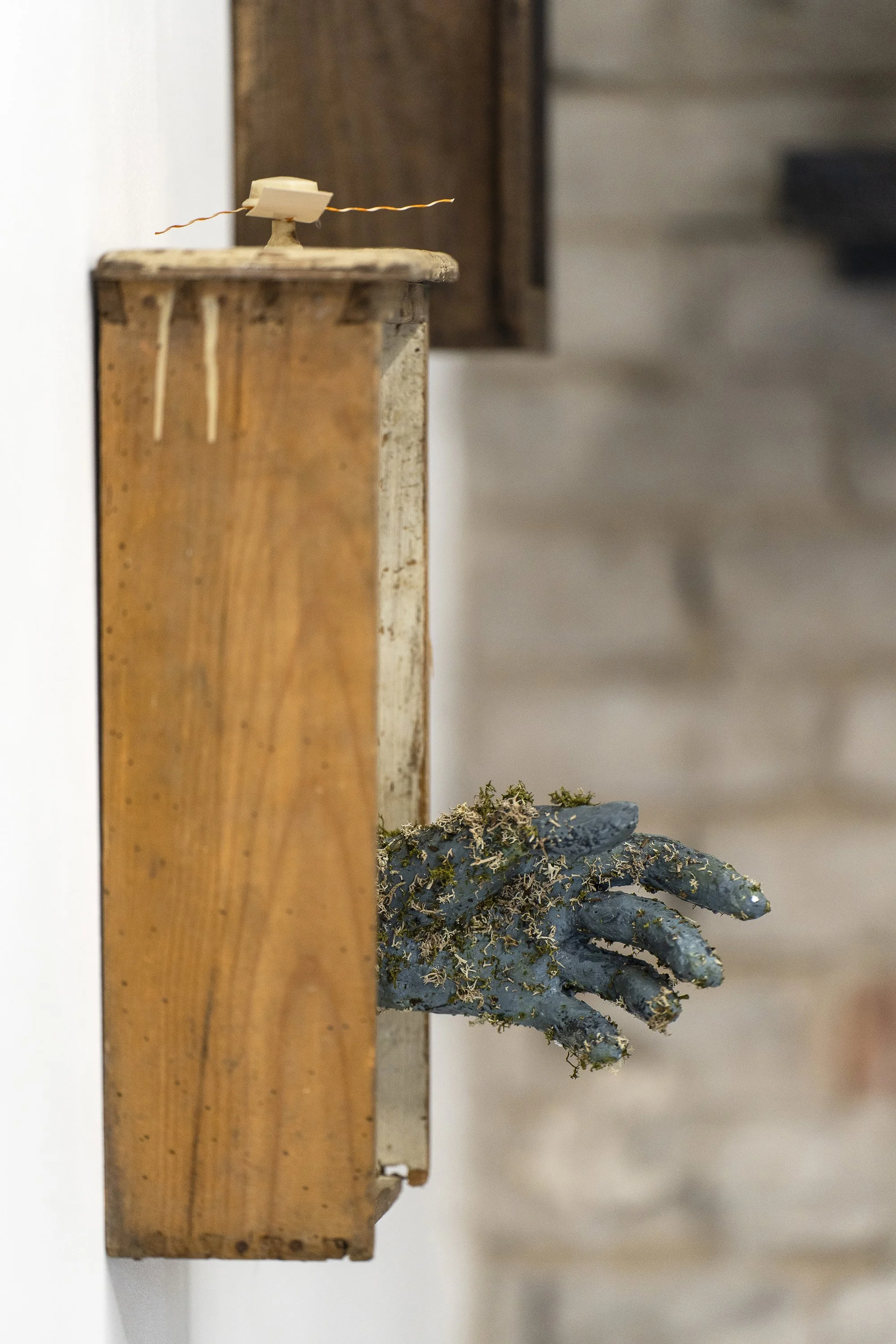
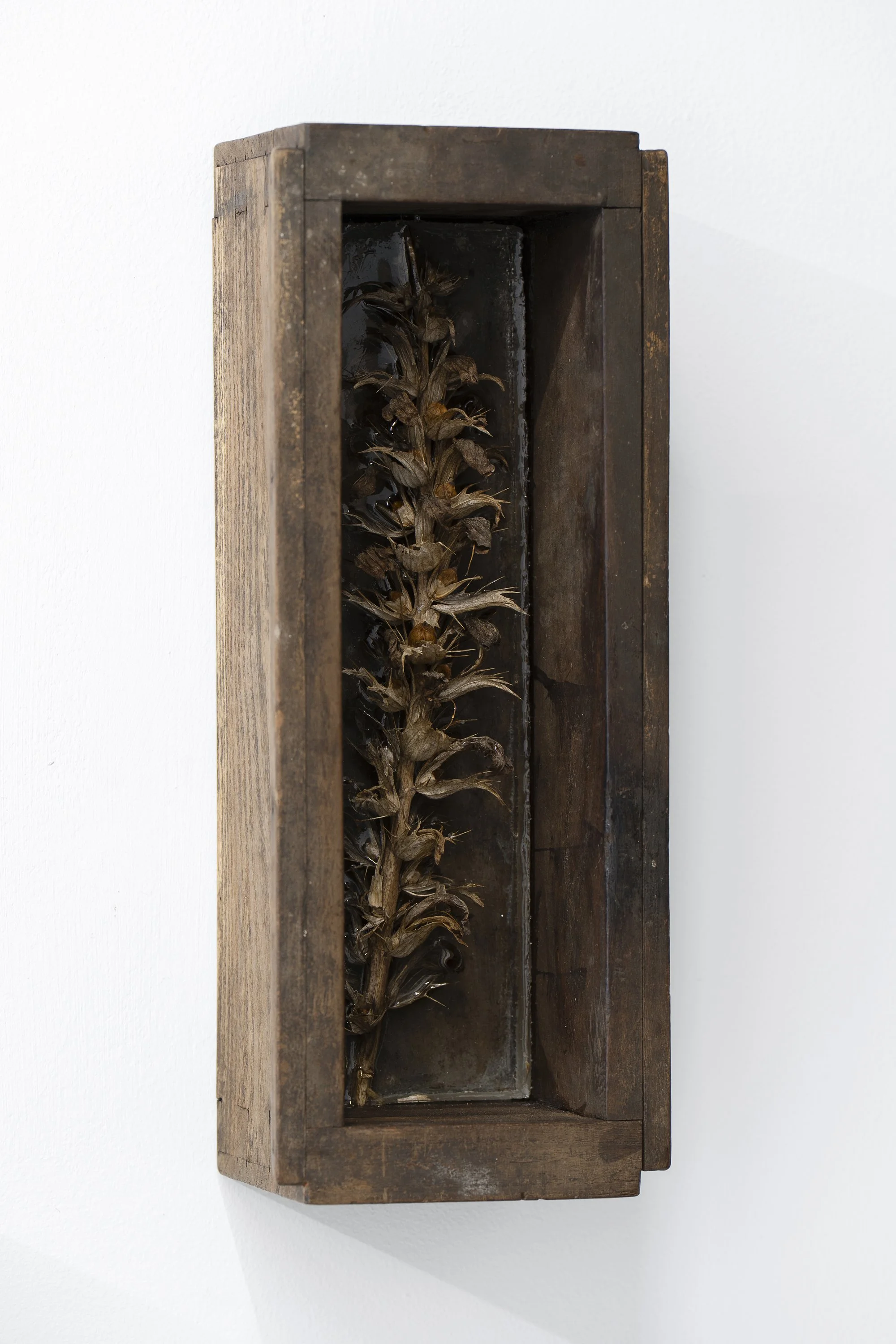
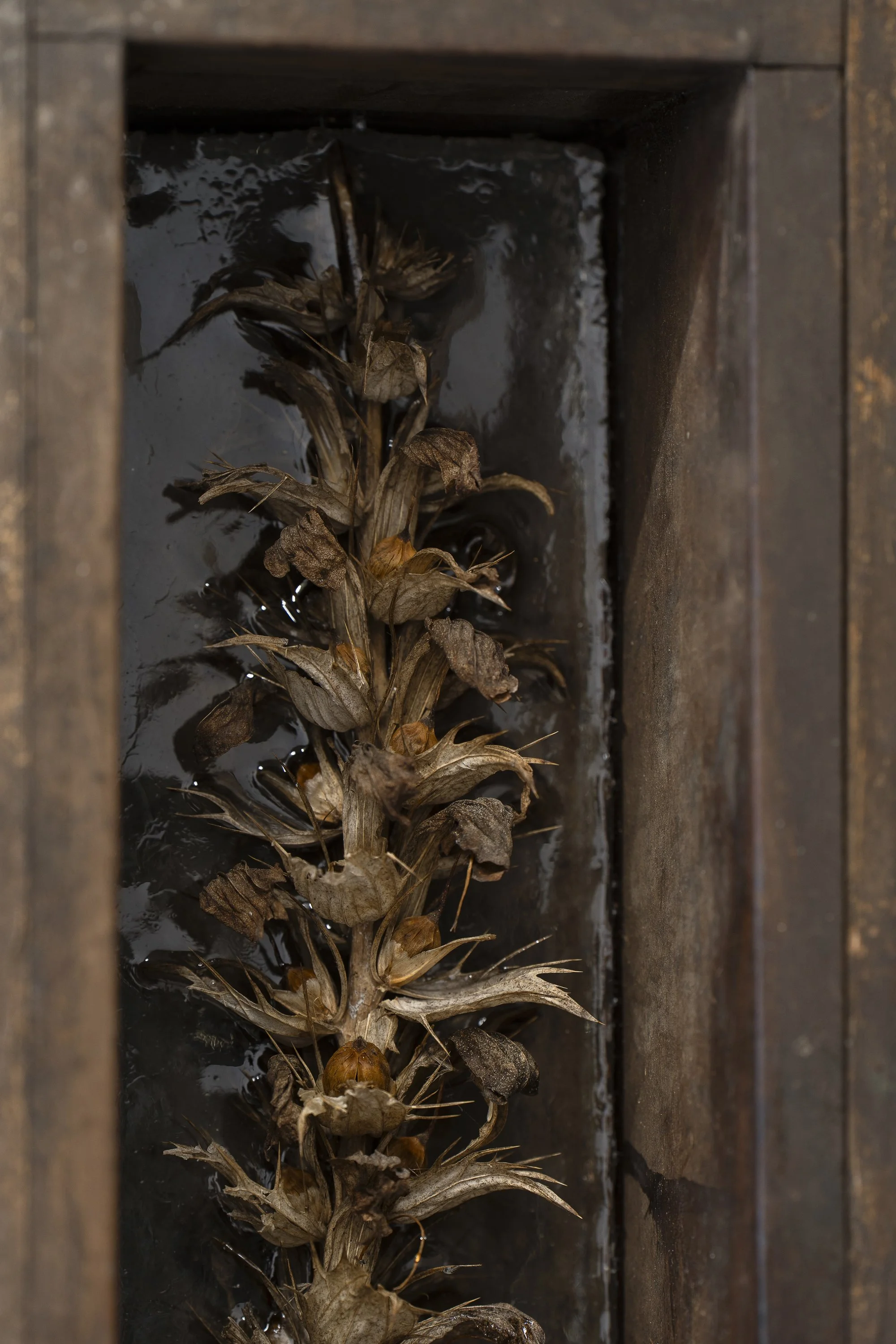
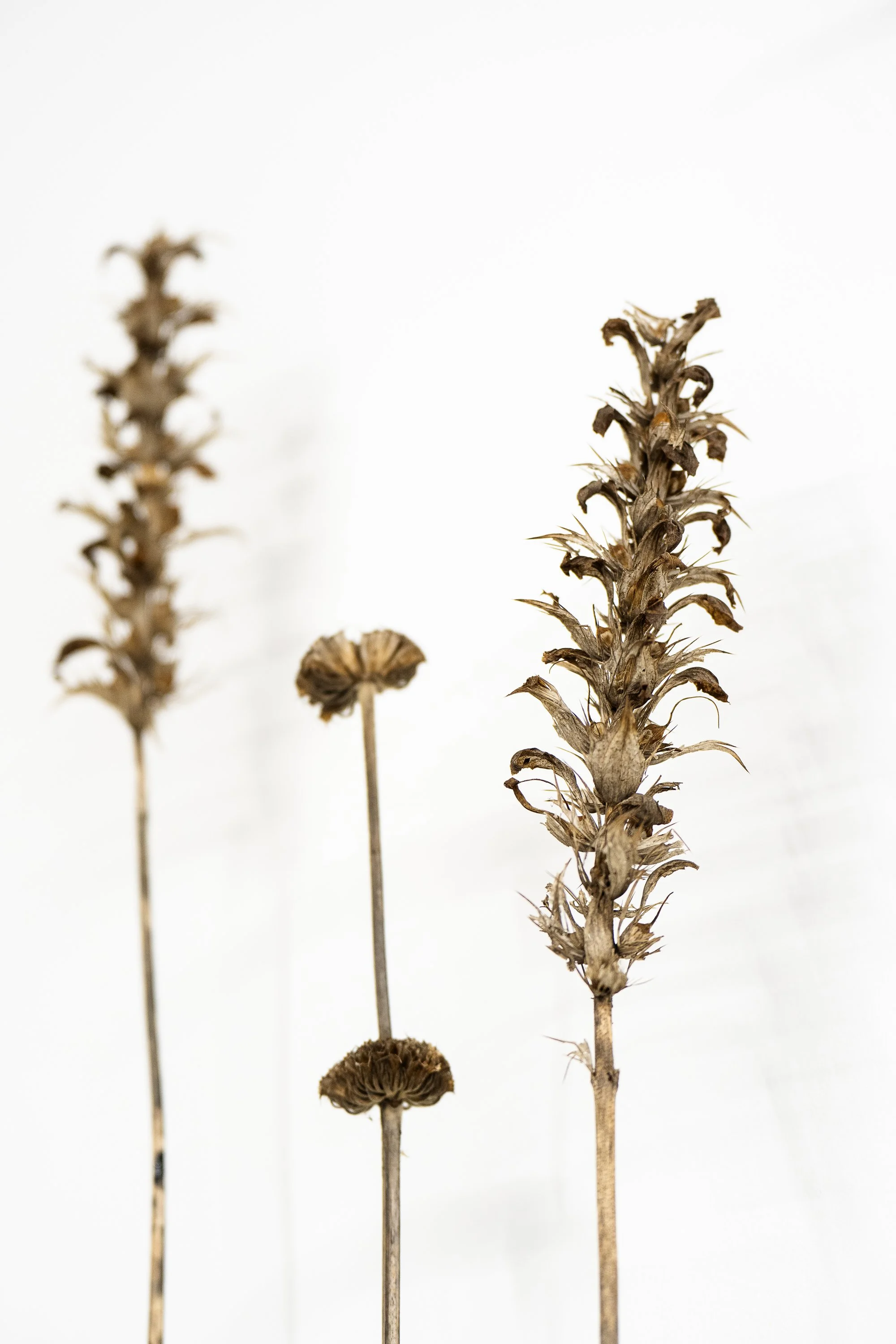
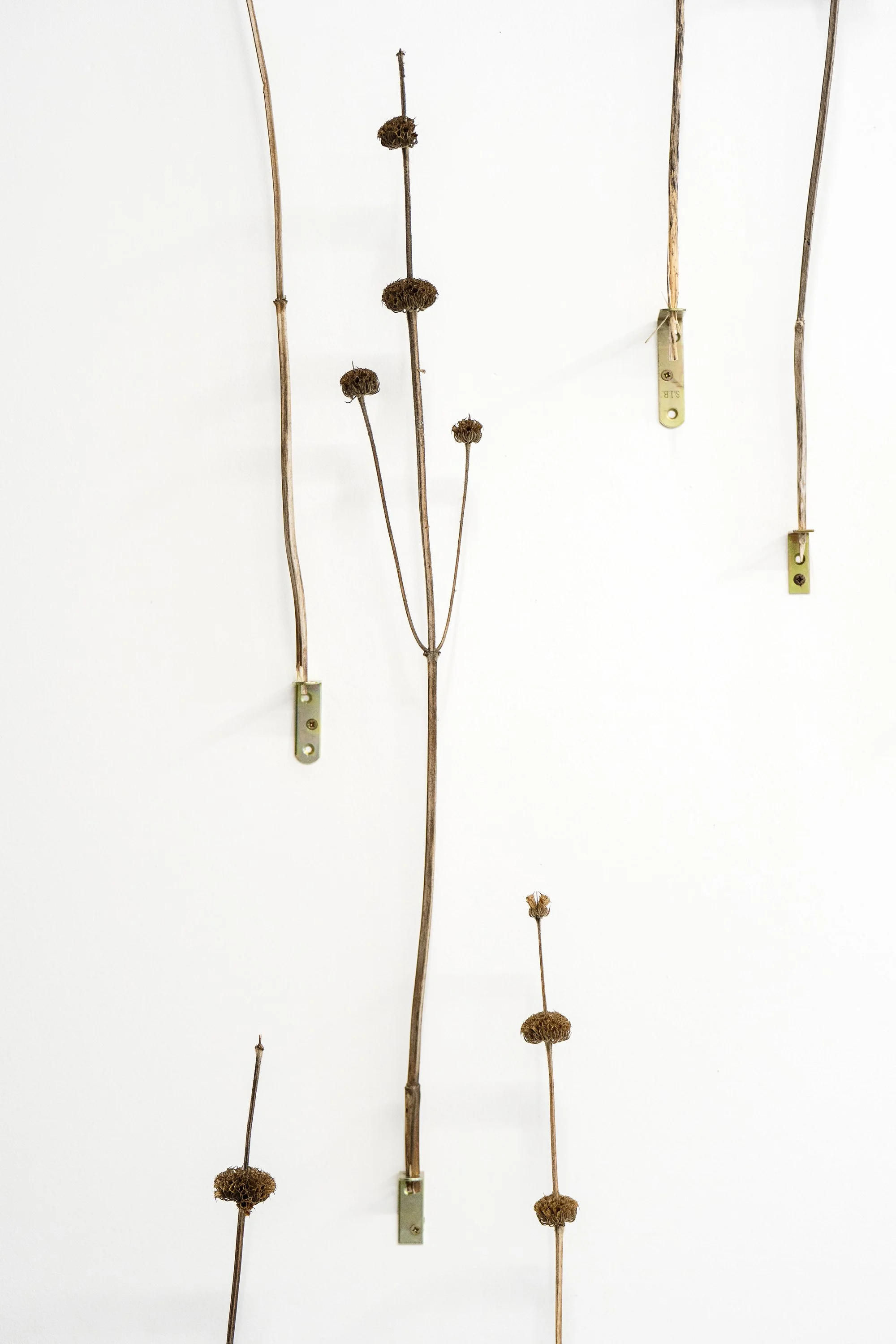

The Lingering Presence: On Archives, Memory, and the Dead Who Refuse to Disappear
Exhibition by Erekle Chinchilakashvili
"The typical historical archive contains documents that refer exclusively to past events; it presumes the ephemerality, the mortality of the life it documents. And indeed, the immortal does not need to be documented; only the mortal does." Boris Groys[1]
The archive is not only a site of preservation or a space of forgetting. It exists in a paradoxical state—holding onto the remnants of the past while acknowledging that the act of collecting is, in itself, a quiet form of erasure. In The Lingering Presence, we confront the ambiguous role of the archivist, the one who records, classifies, and retrieves names from history's recesses—only to realize that retrieval is never neutral.
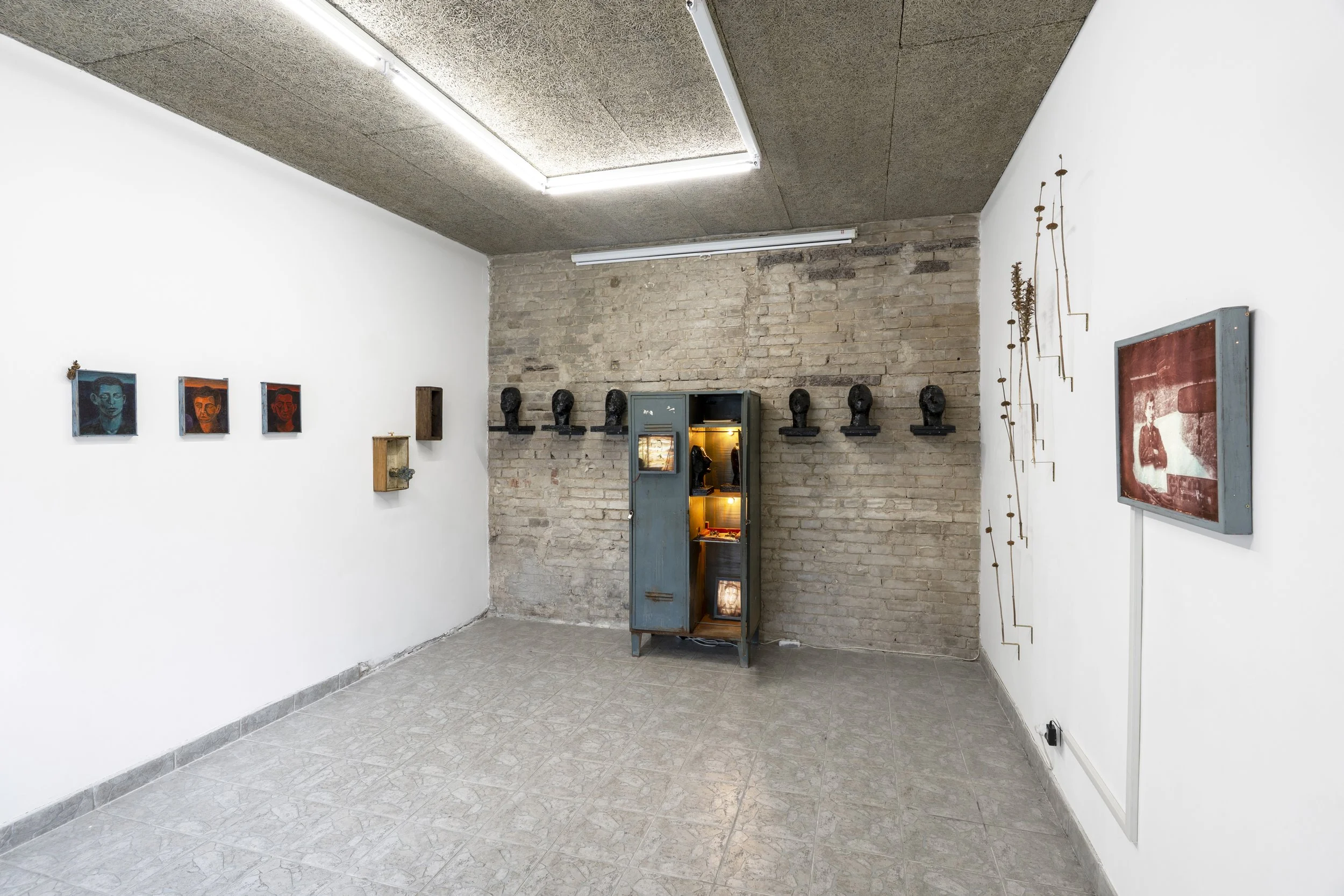
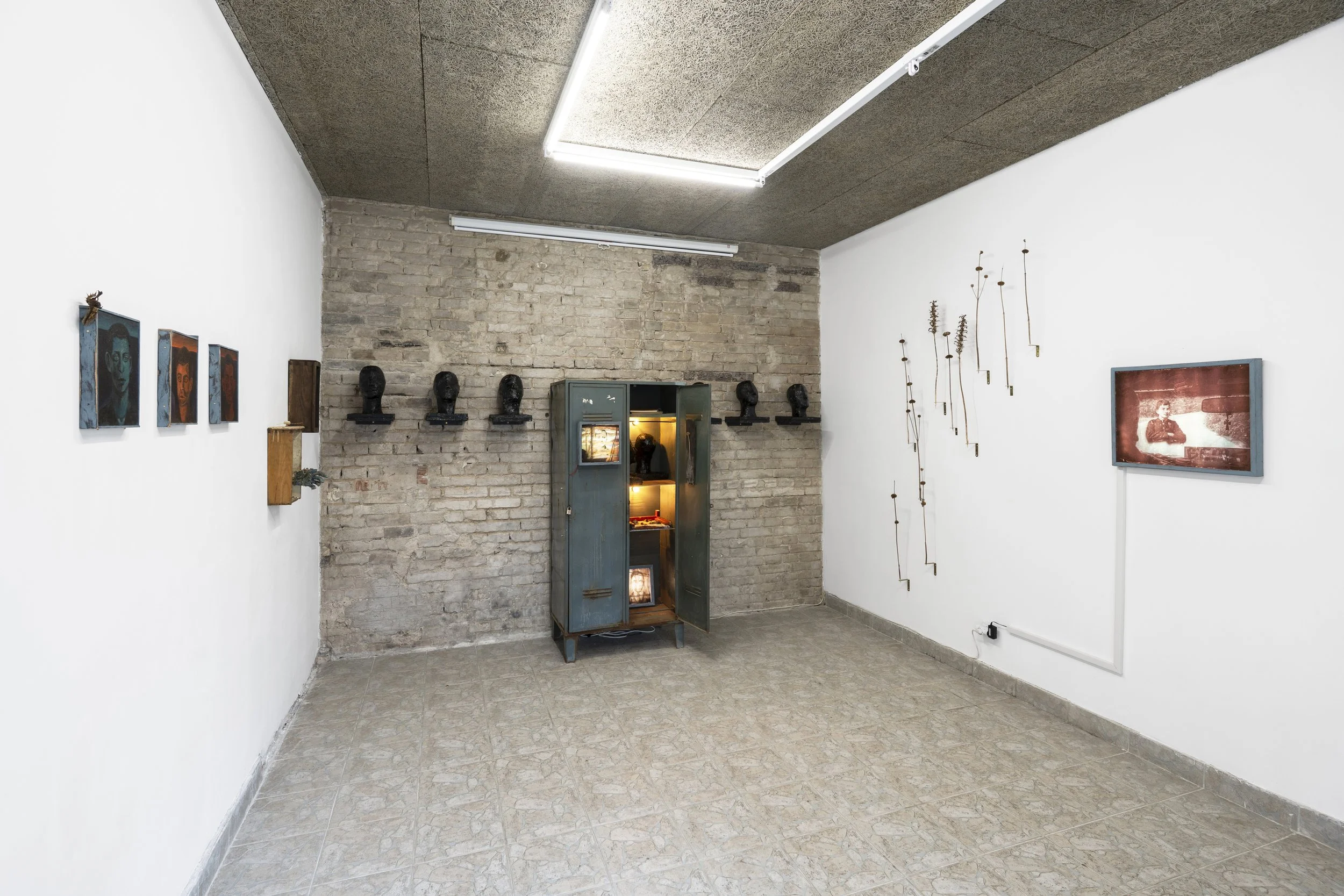
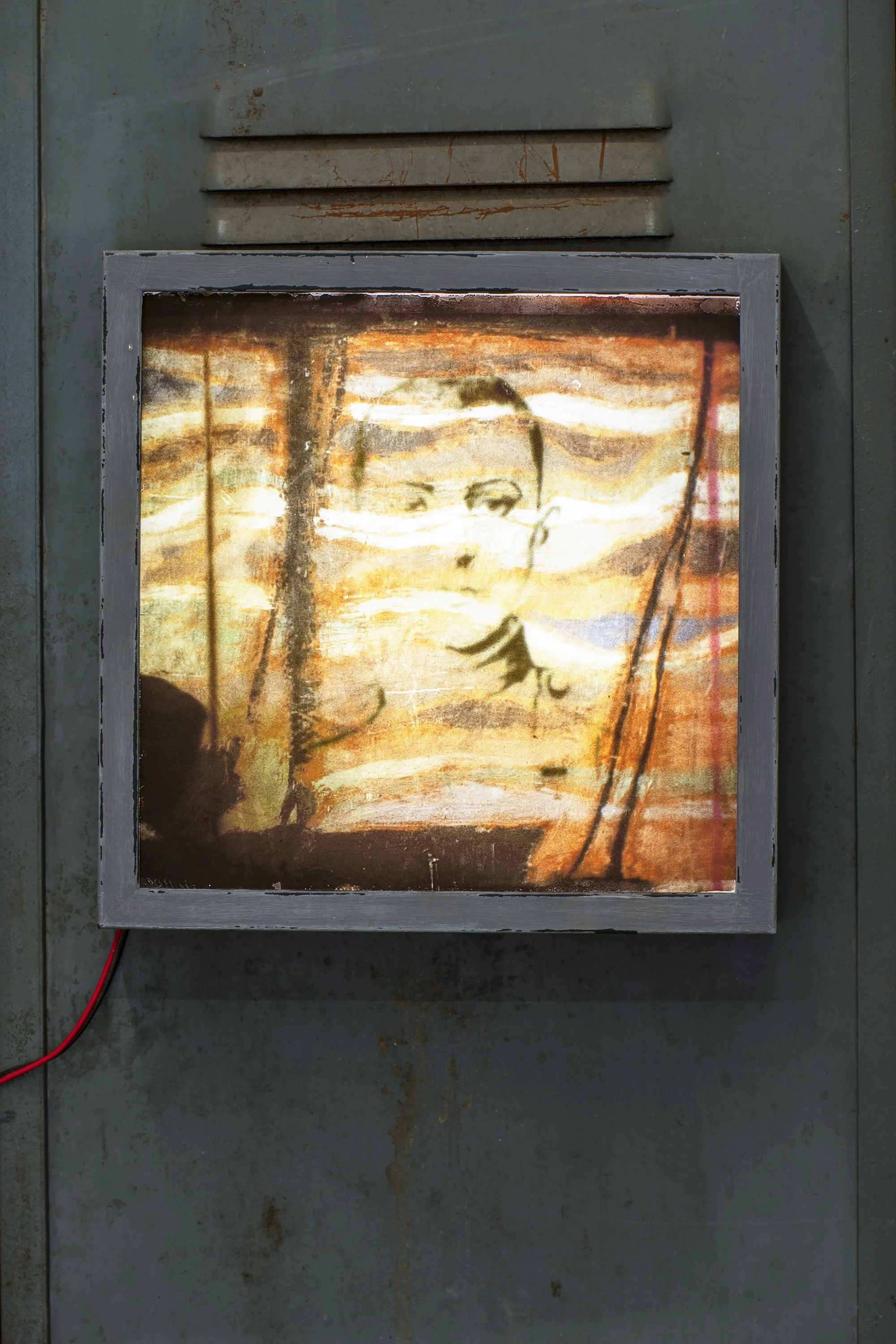
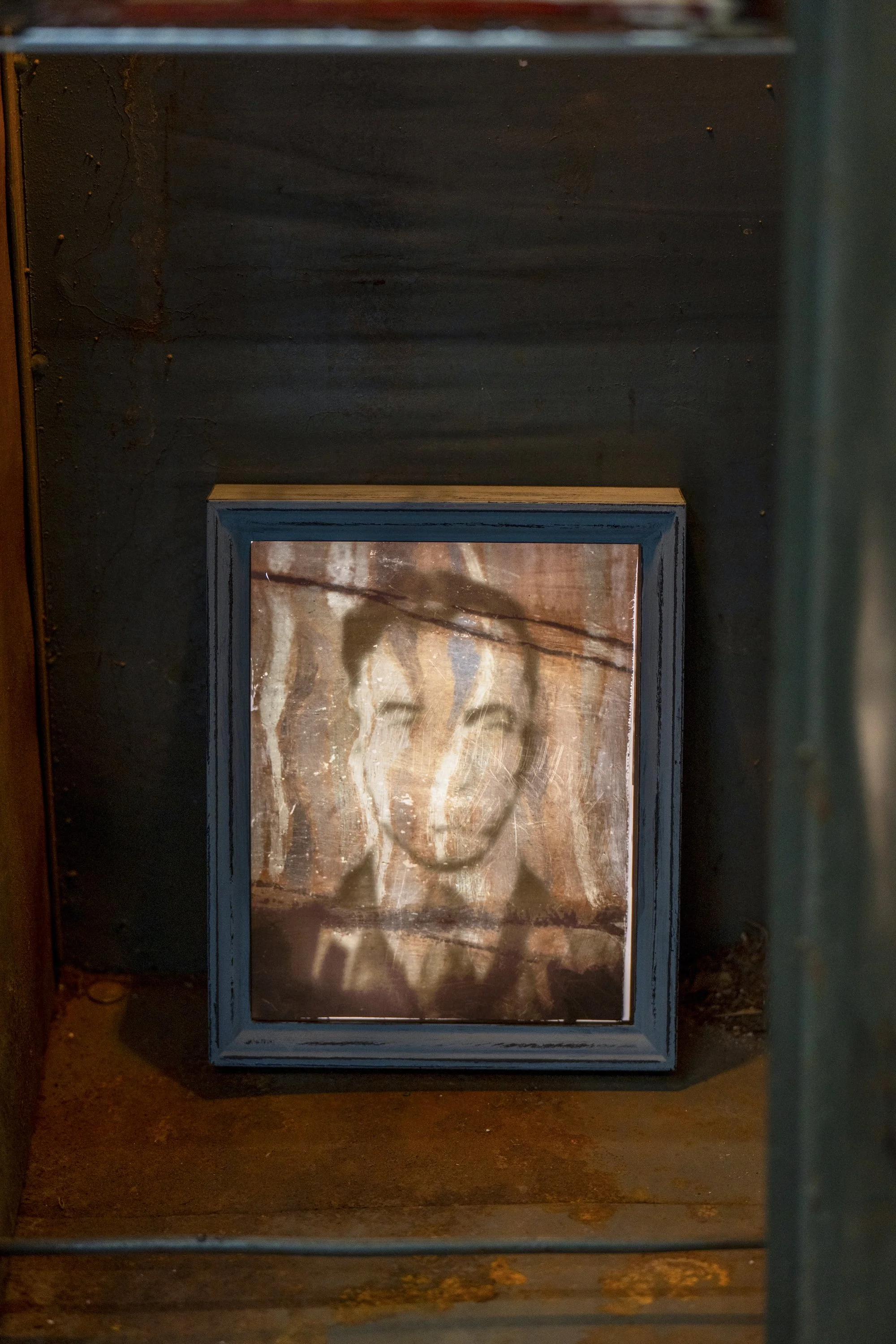
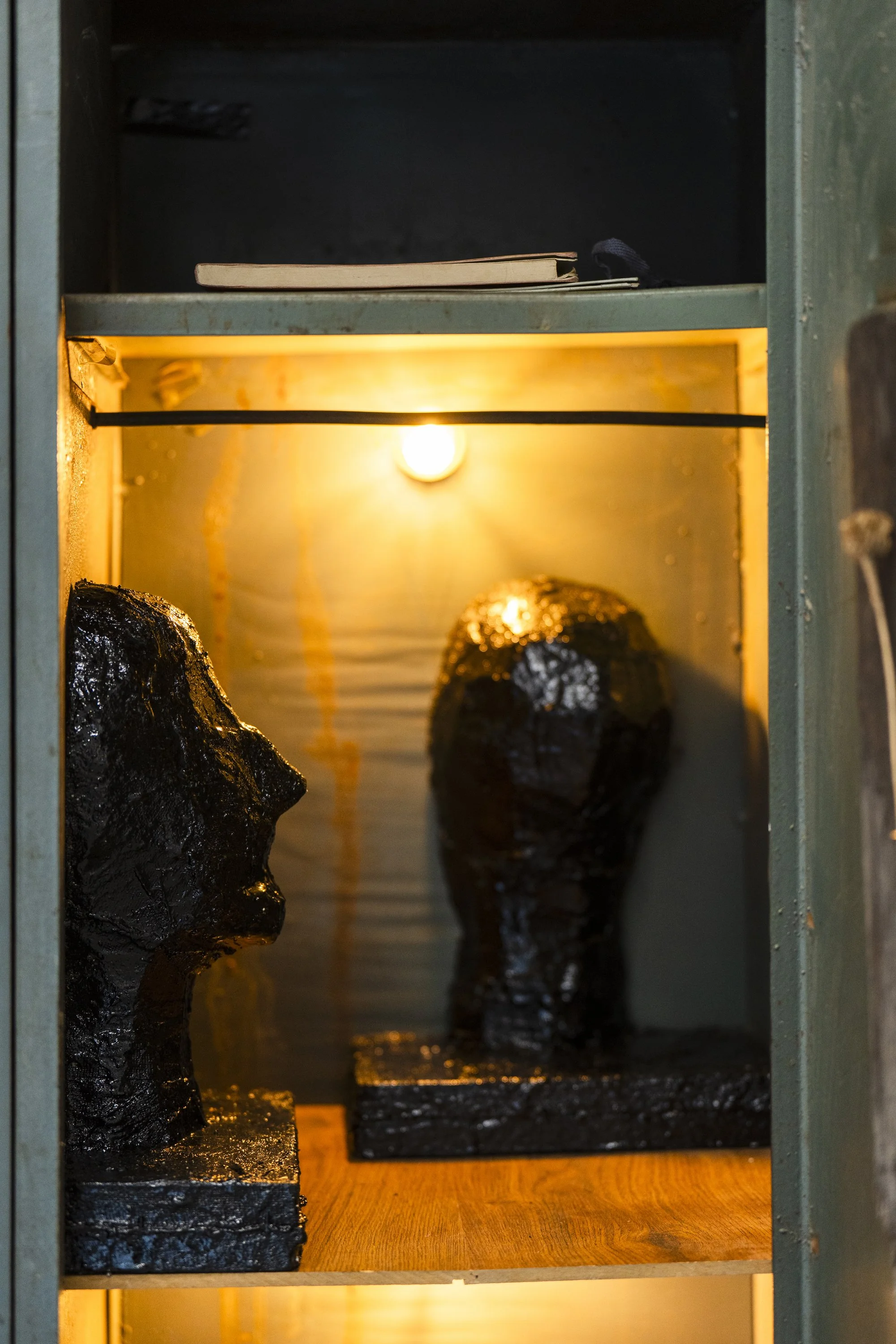
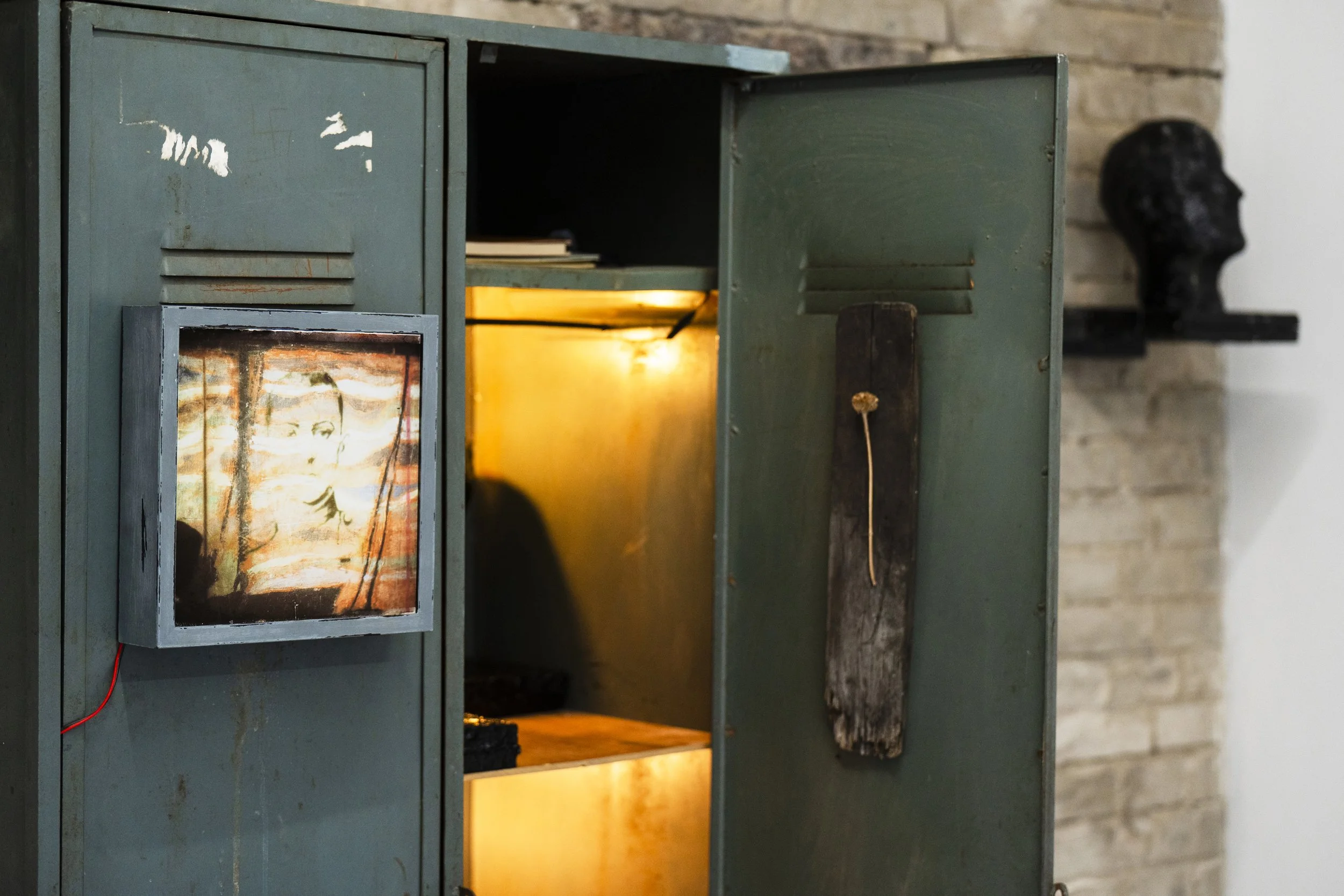
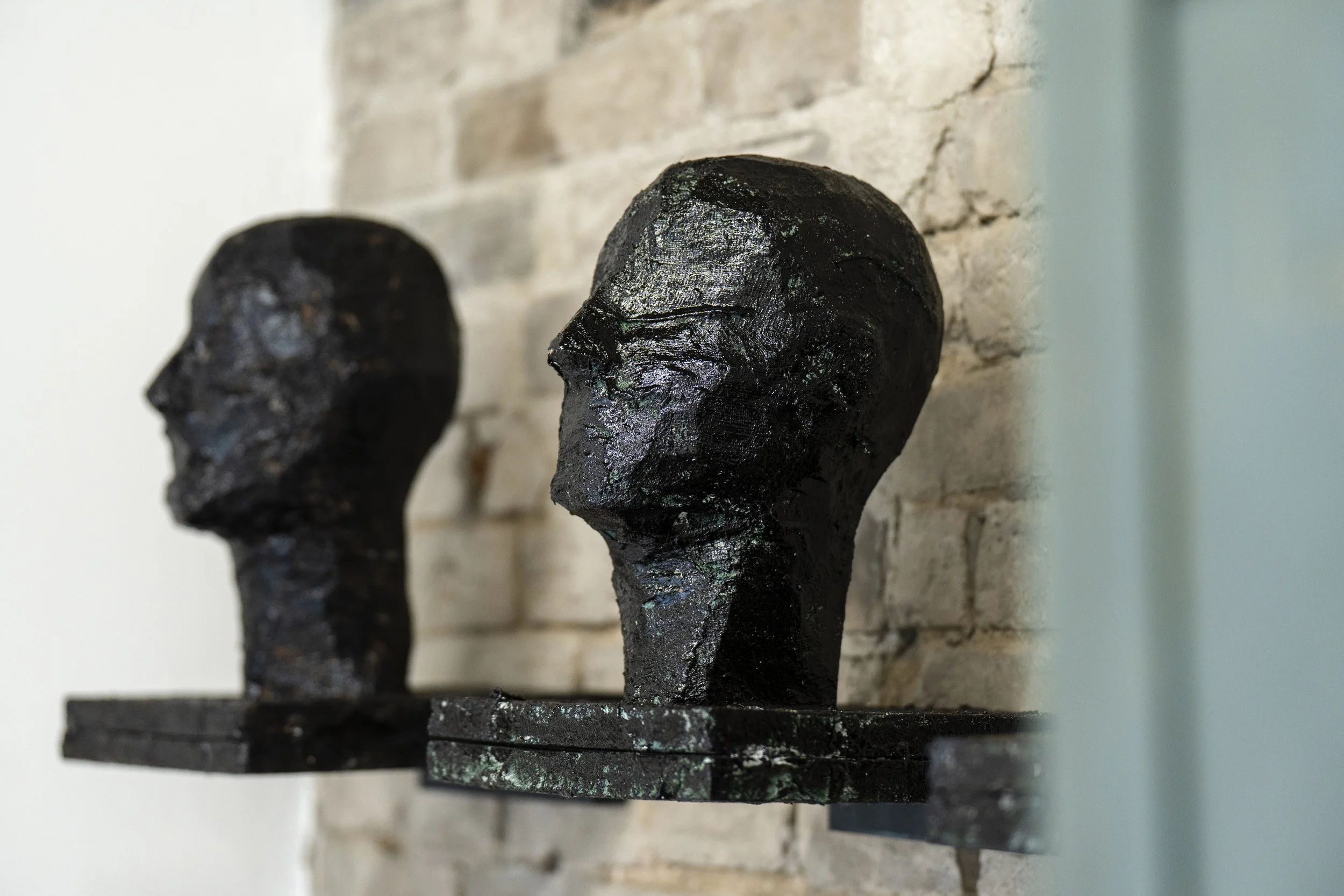
This exhibition consists of a single installation composed of various mediums. It follows a fictional archivist tasked with researching war casualties, but this task is not simple. Rather than being a repository of truth, the archival narrative seems like a reconstruct— where history is curated, memory is rearranged, and the lost are cataloged. He moves through a space filled with ghostly presences, with faces that look back at him from photographs. Their expressions are fixed in the past and can never be fully accessed.
We are accustomed to thinking of images as sites of presence, proof that something—or someone—was somewhere. Yet, documentation does not merely reproduce reality but re-constructs its visibility. A war casualty's photograph obviously does not restore their existence—it confirms their disappearance. In this way, the exhibition questions the ethics of representation: Is memory an act of preservation or an extension of loss?
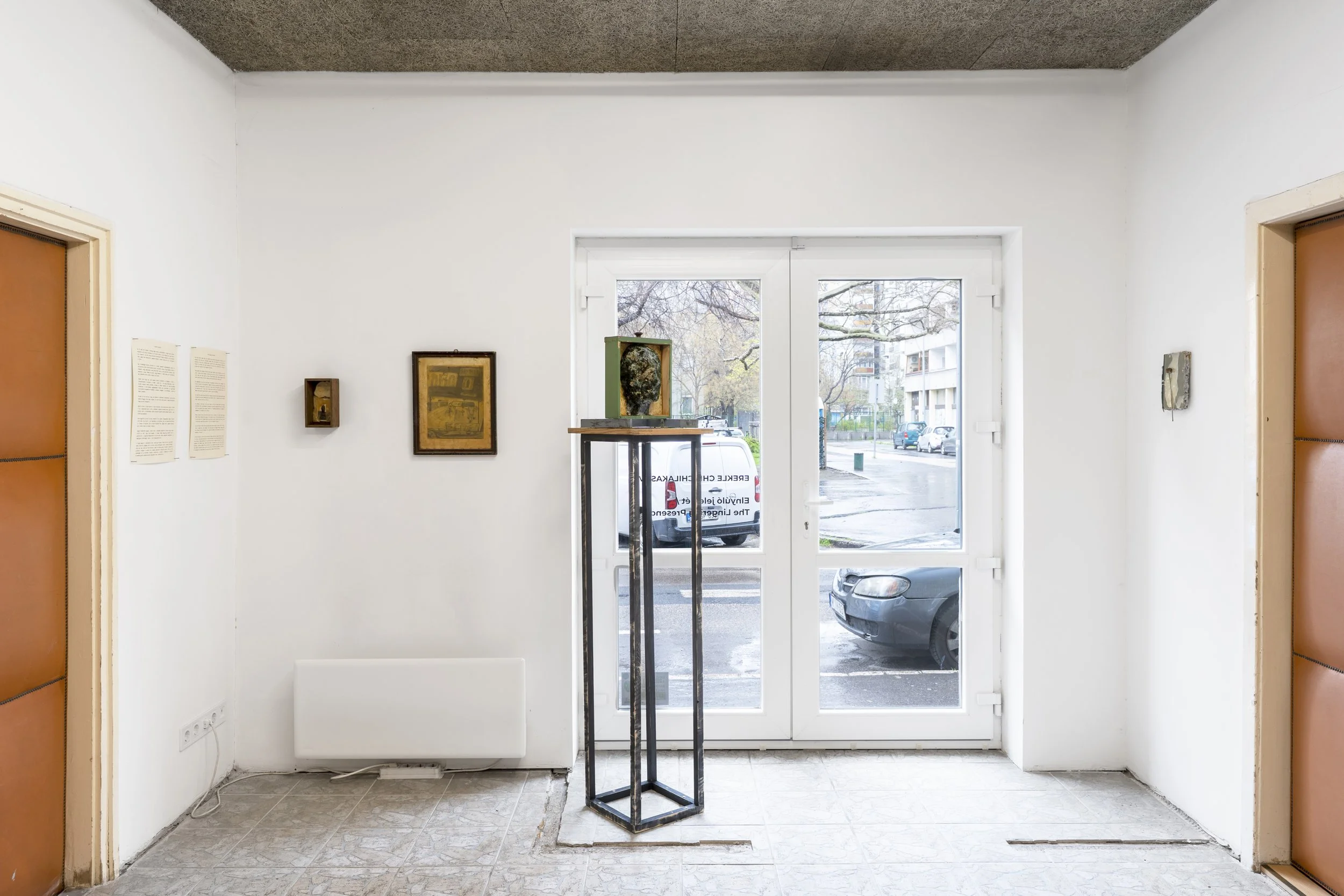
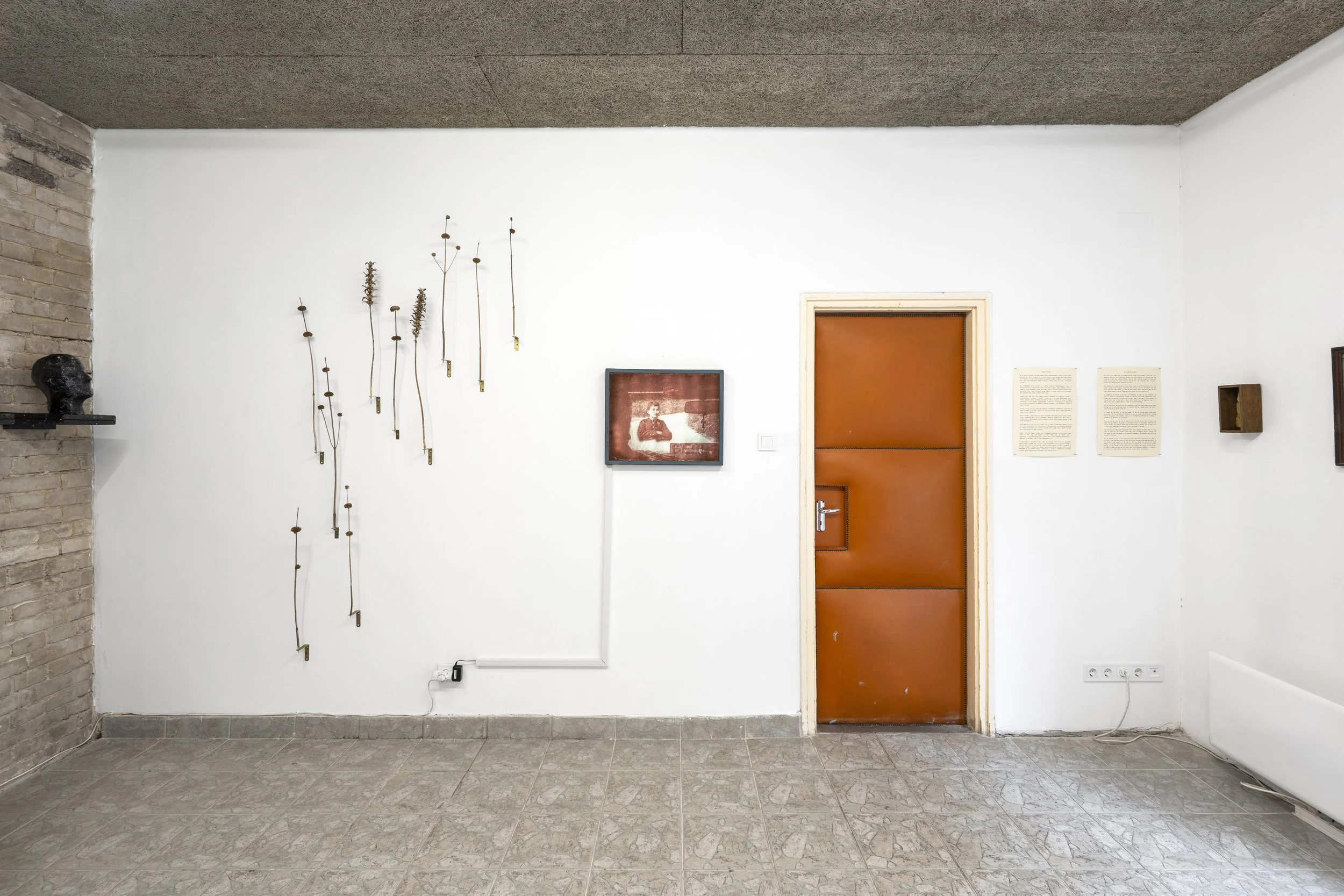
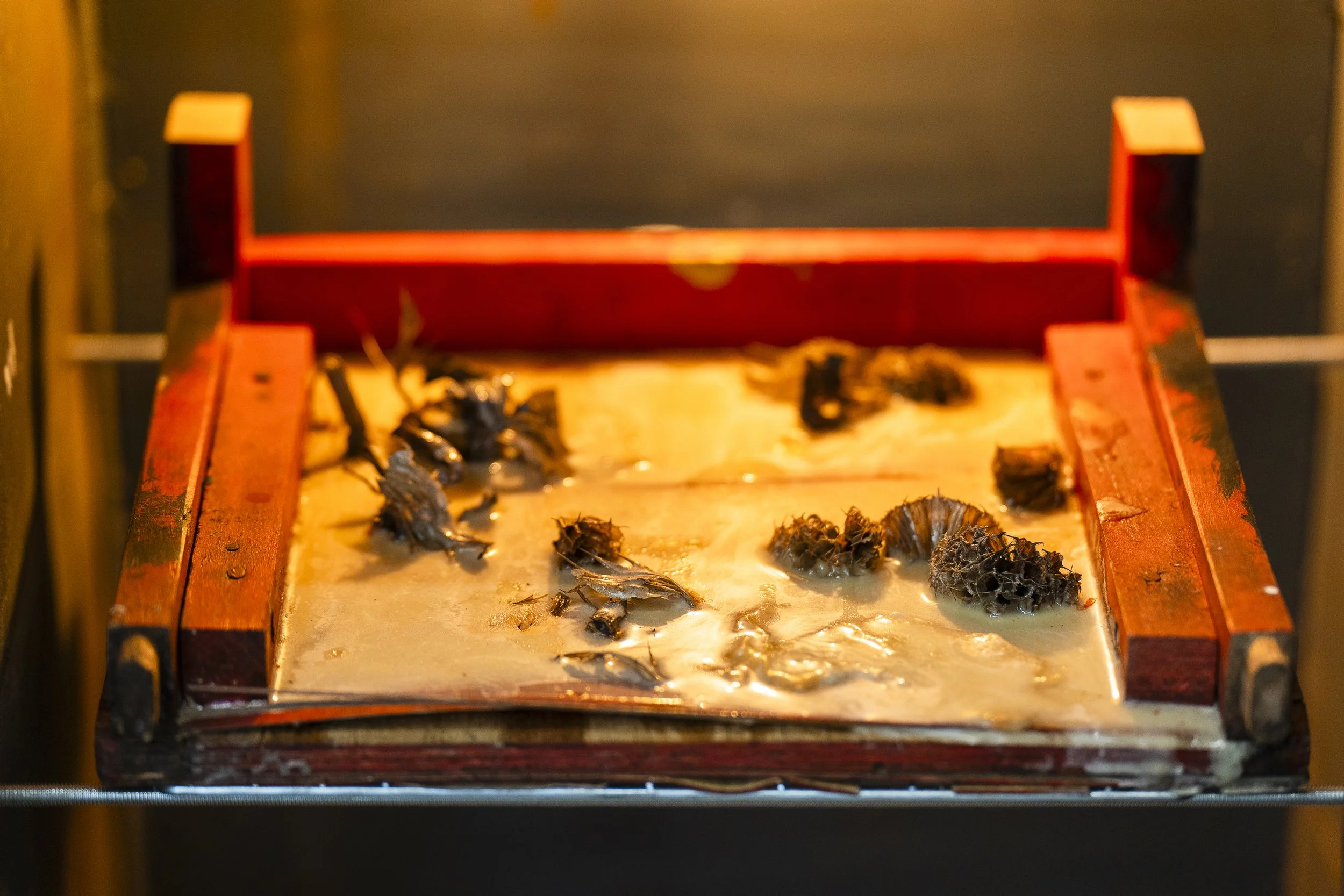
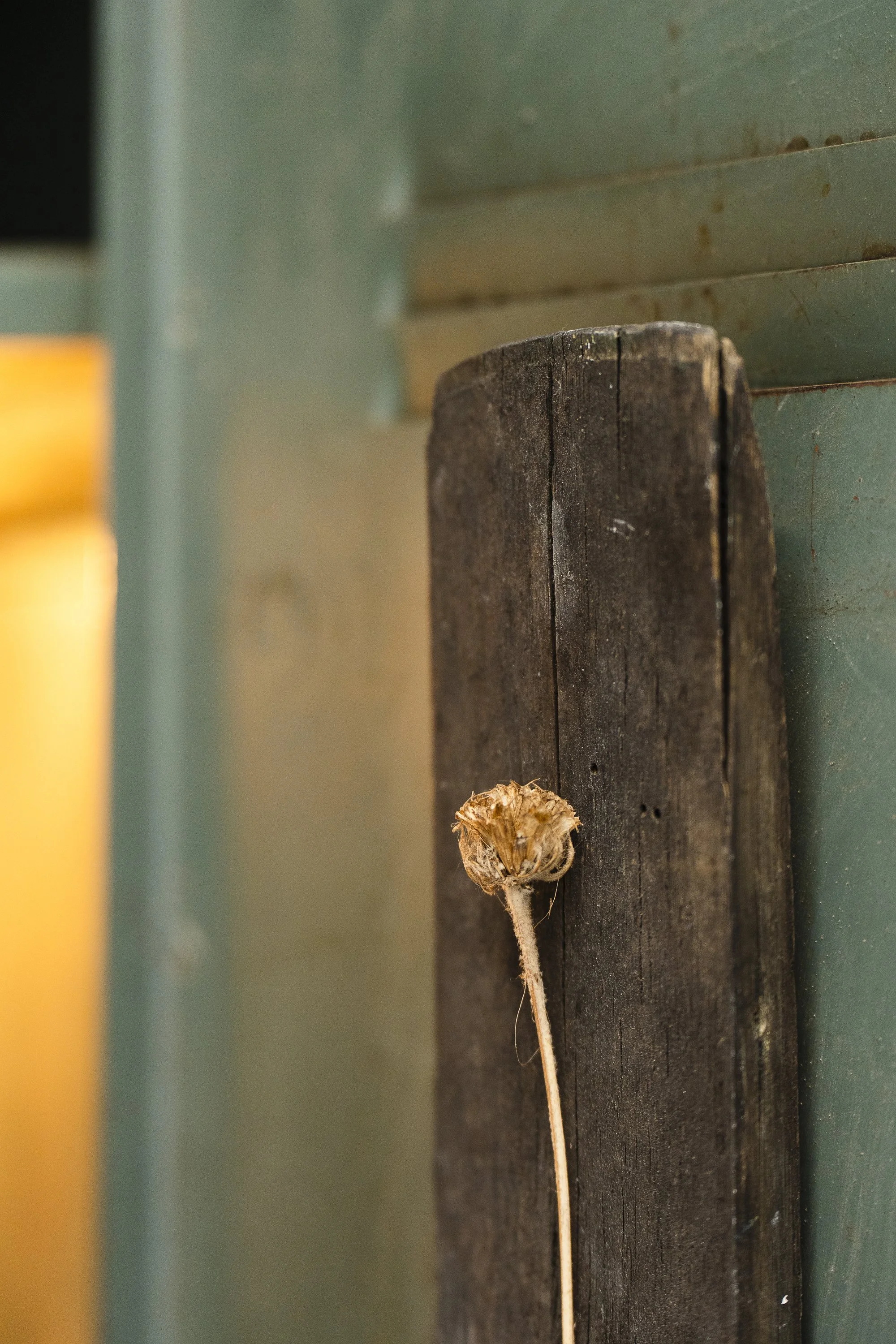
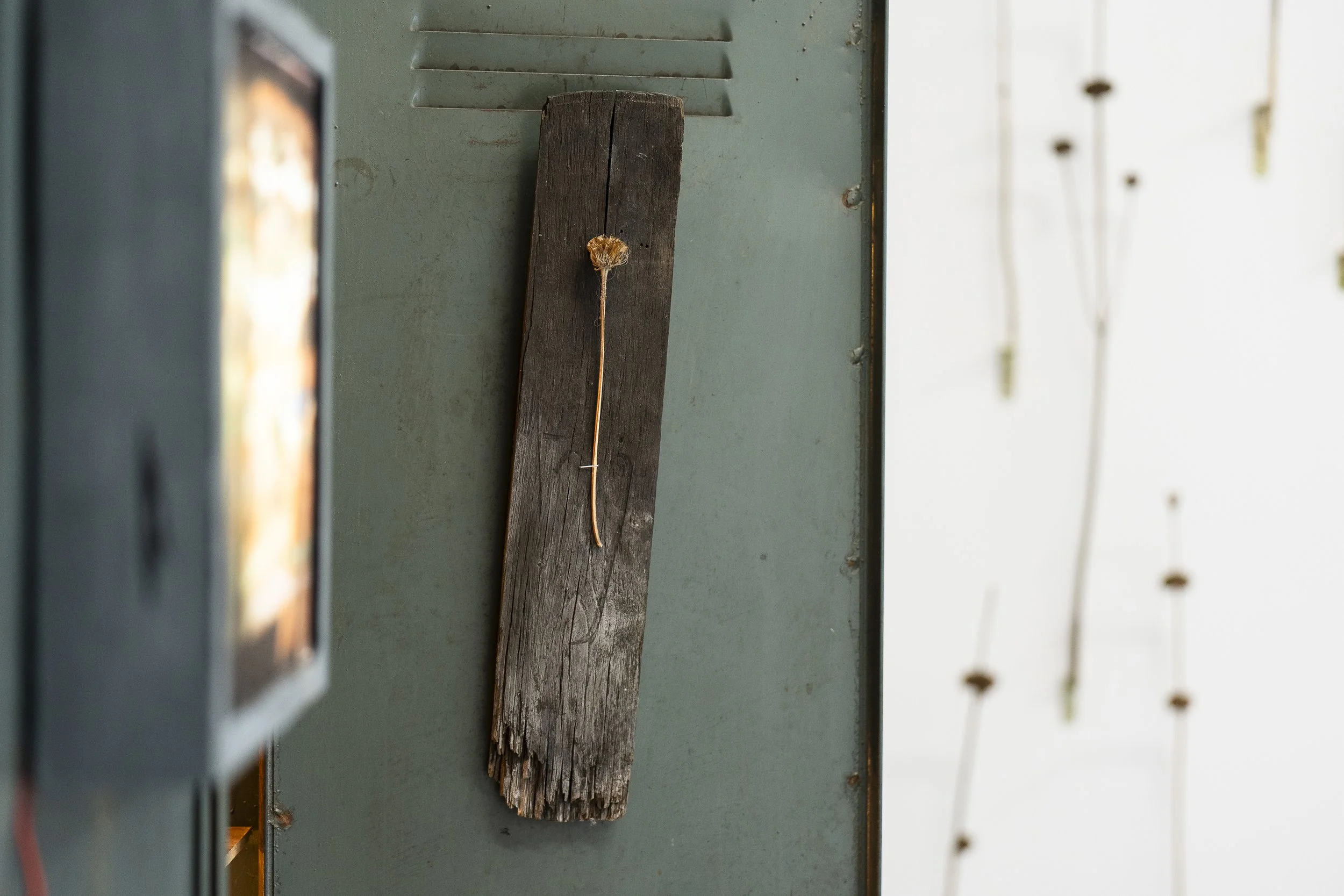
The exhibition space operates as an archivist’s mind—a memorial to forgetting disguised as remembrance—the traces of half-memories, the fragmented objects, the materials that promise history but deliver only its hollowed-out remains. There is no restoration here, no redemption. Only objects on shelves, over-illuminated pictures in frames, and the cold architecture of memory in an era where history is subject to curation.
[1] Boris Groys, Art Power. Cambridge, Massachusetts: MIT Press, 2006, p. 98.